DRAWING
Drawing is fundamental to my practice ~ both as an artist and as a Production Designer. It is not simply a means of representing an idea, but the way I think, investigate and make sense of the world. Across my work, drawing is the common language through which ideas begin to take form.
I began working with pencil on paper long before digital tools became central to film design. Over time, my practice expanded to include digital workflows, three-dimensional visualisation, VFX and emerging technologies such as virtual reality. These tools have transformed the ways in which I can develop and communicate an idea, but drawing remains at the heart of the process.
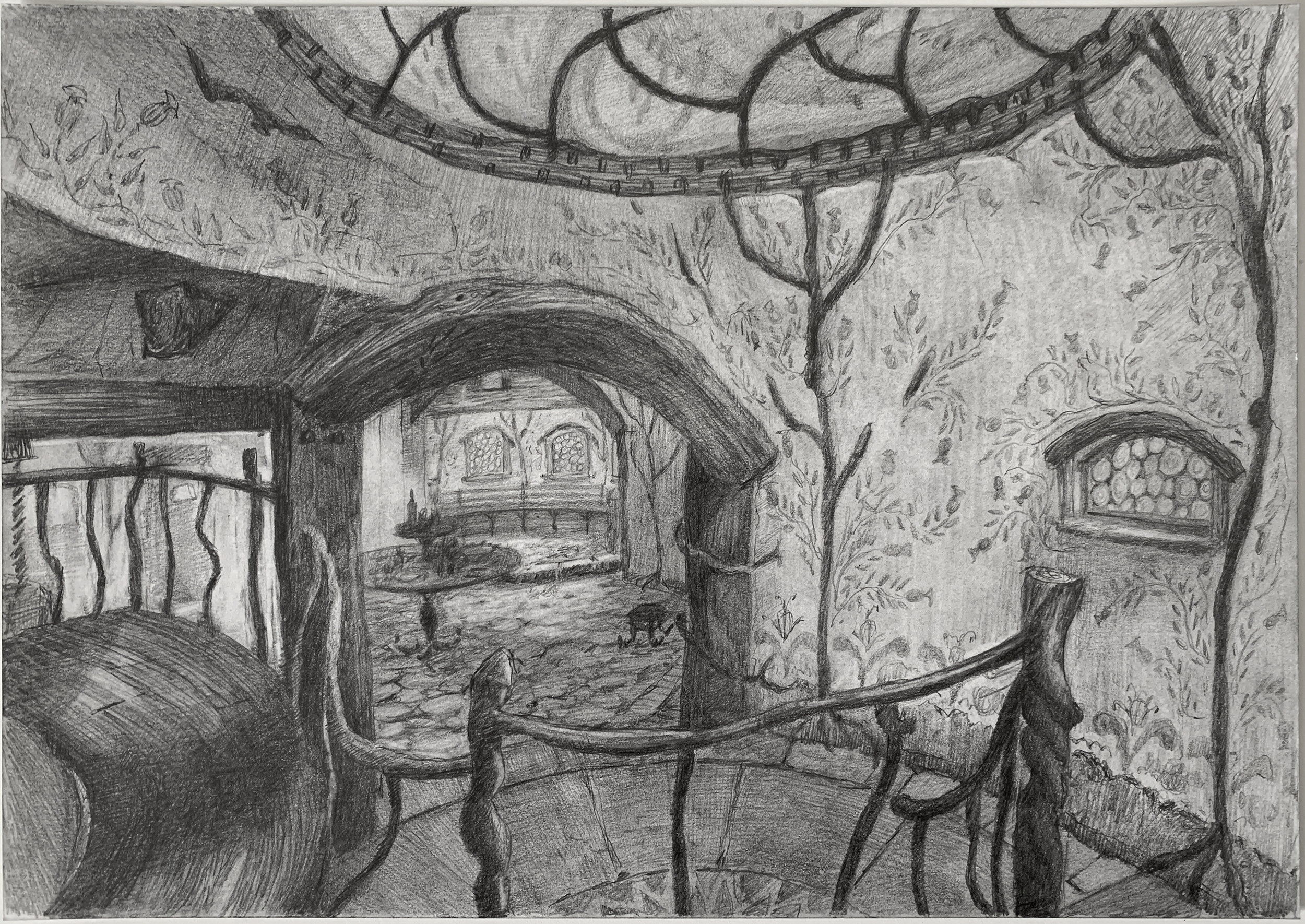
In recent years I have returned increasingly to drawing by hand. The immediacy of pencil on paper allows for a more instinctive and tactile form of thinking ~ one in which ideas can emerge through the act of making, rather than being fully formed beforehand. A line can test a spatial idea, suggest a character, establish a mood or reveal a possibility that wasn't apparent before the drawing began.
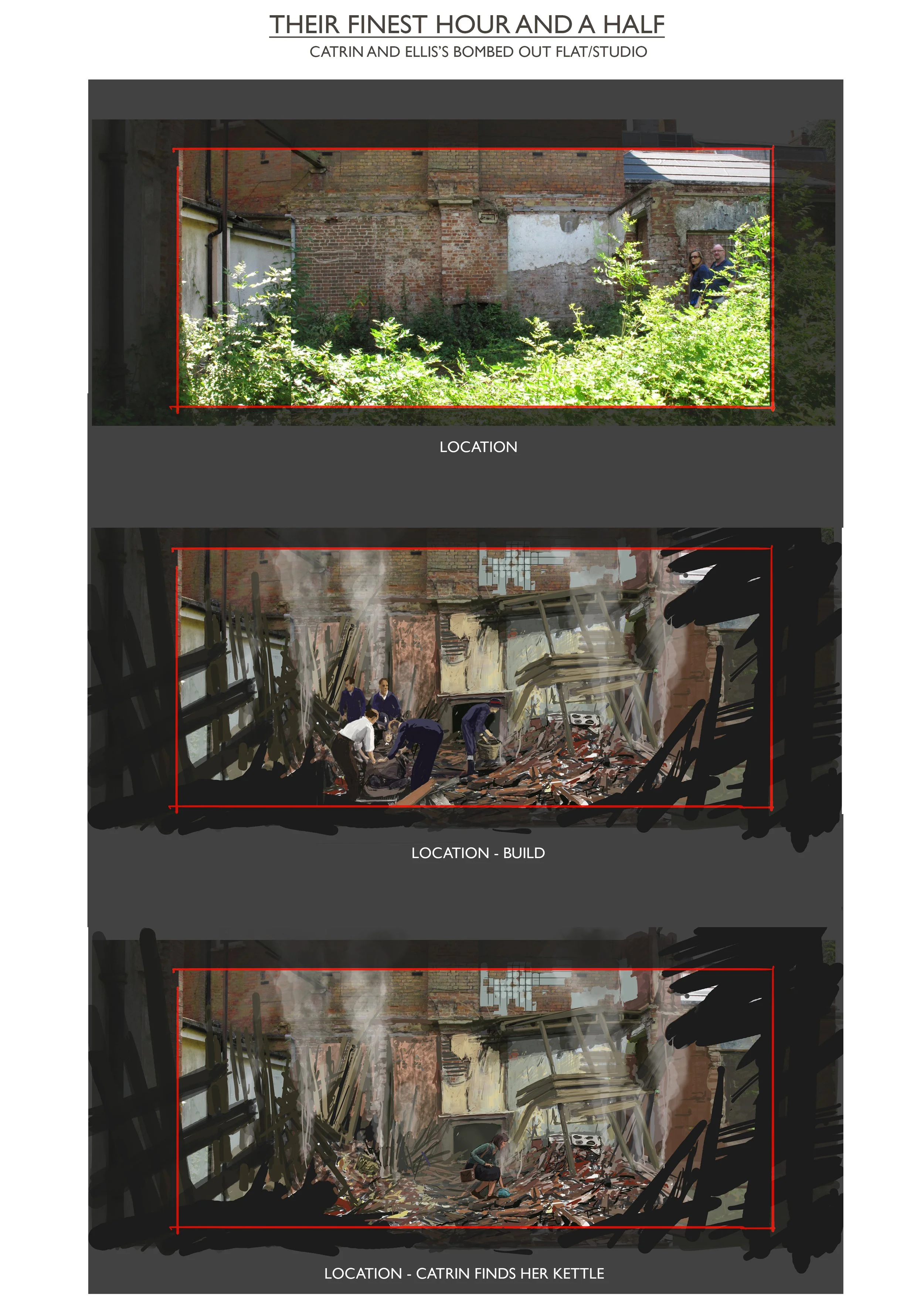
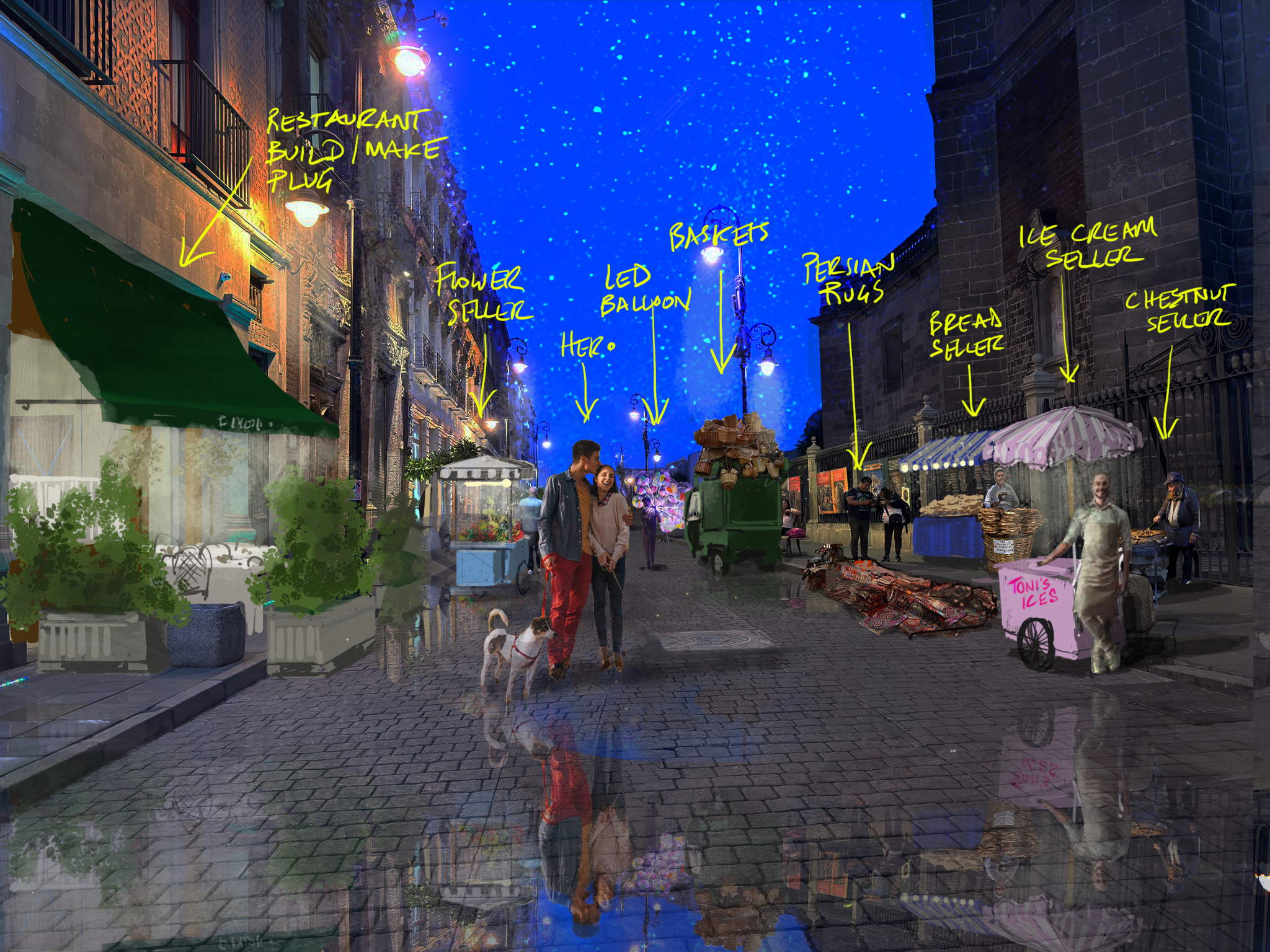
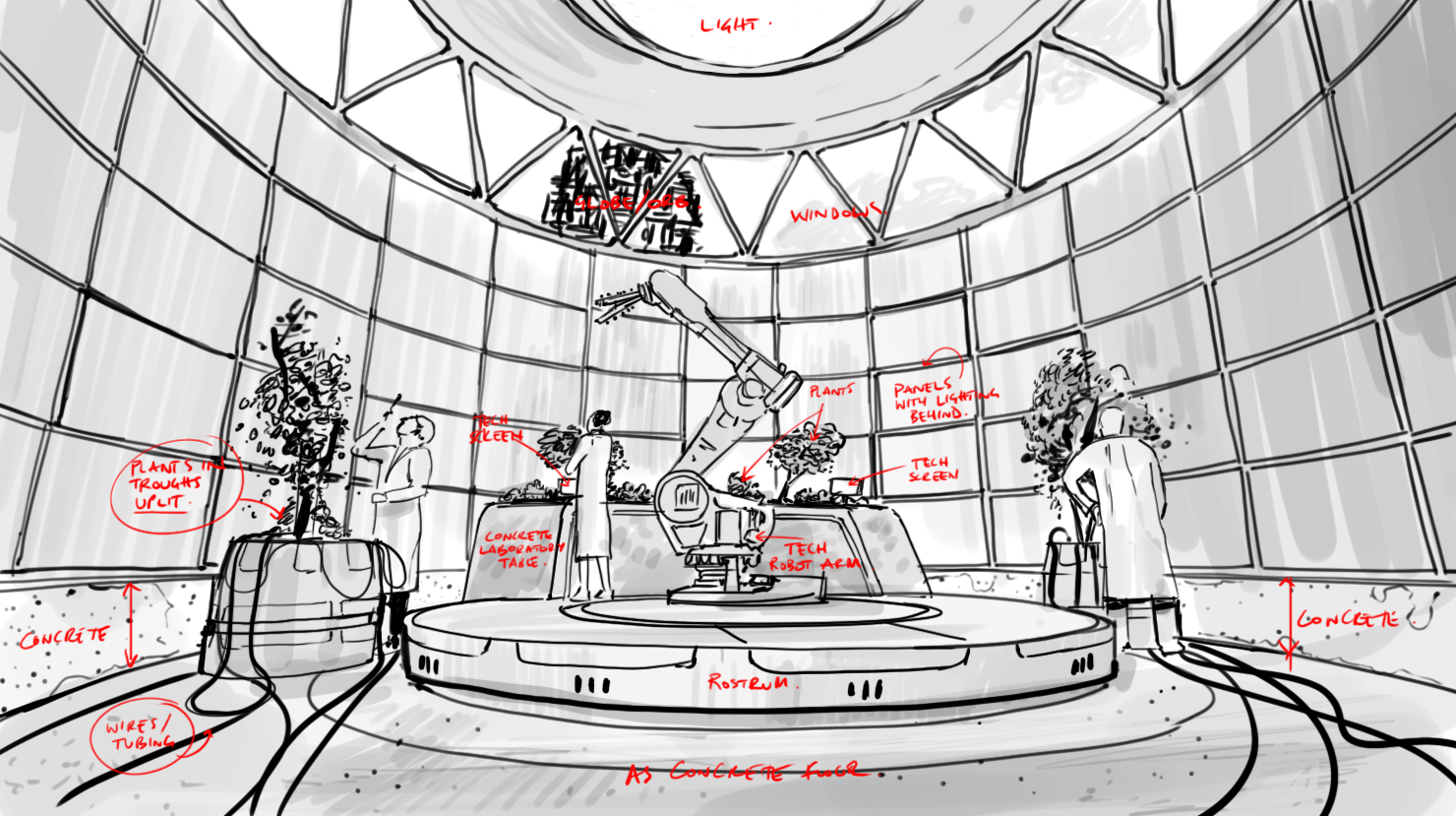
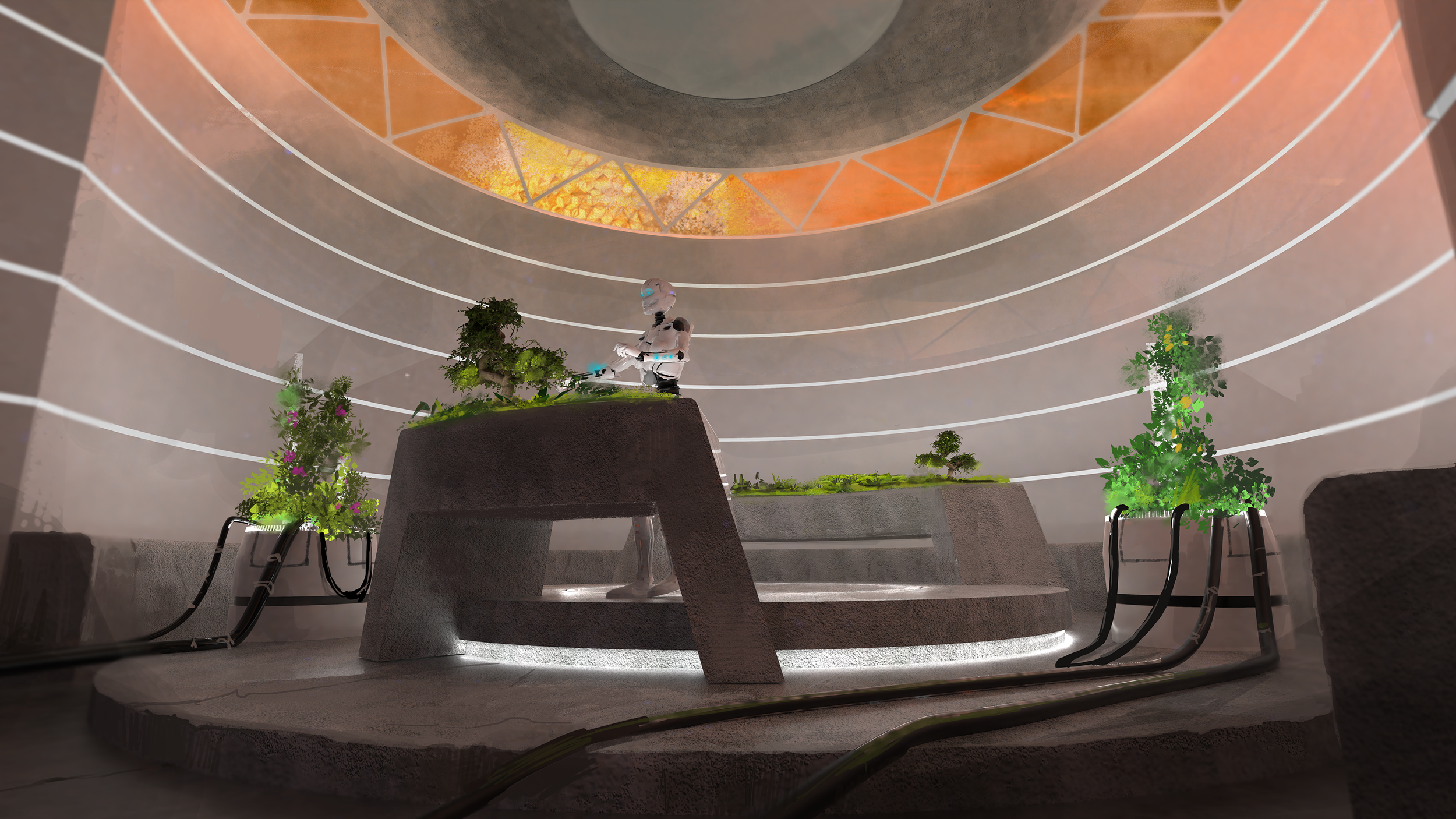
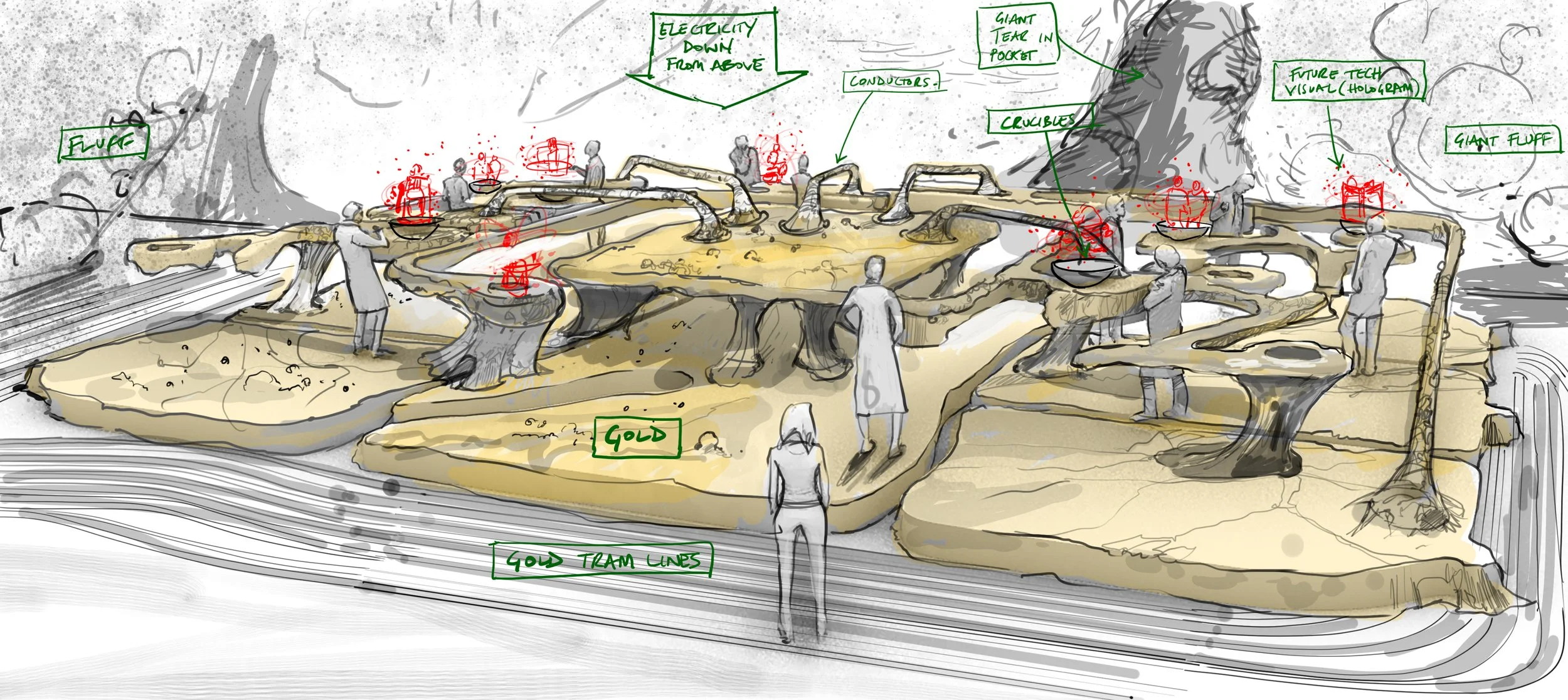
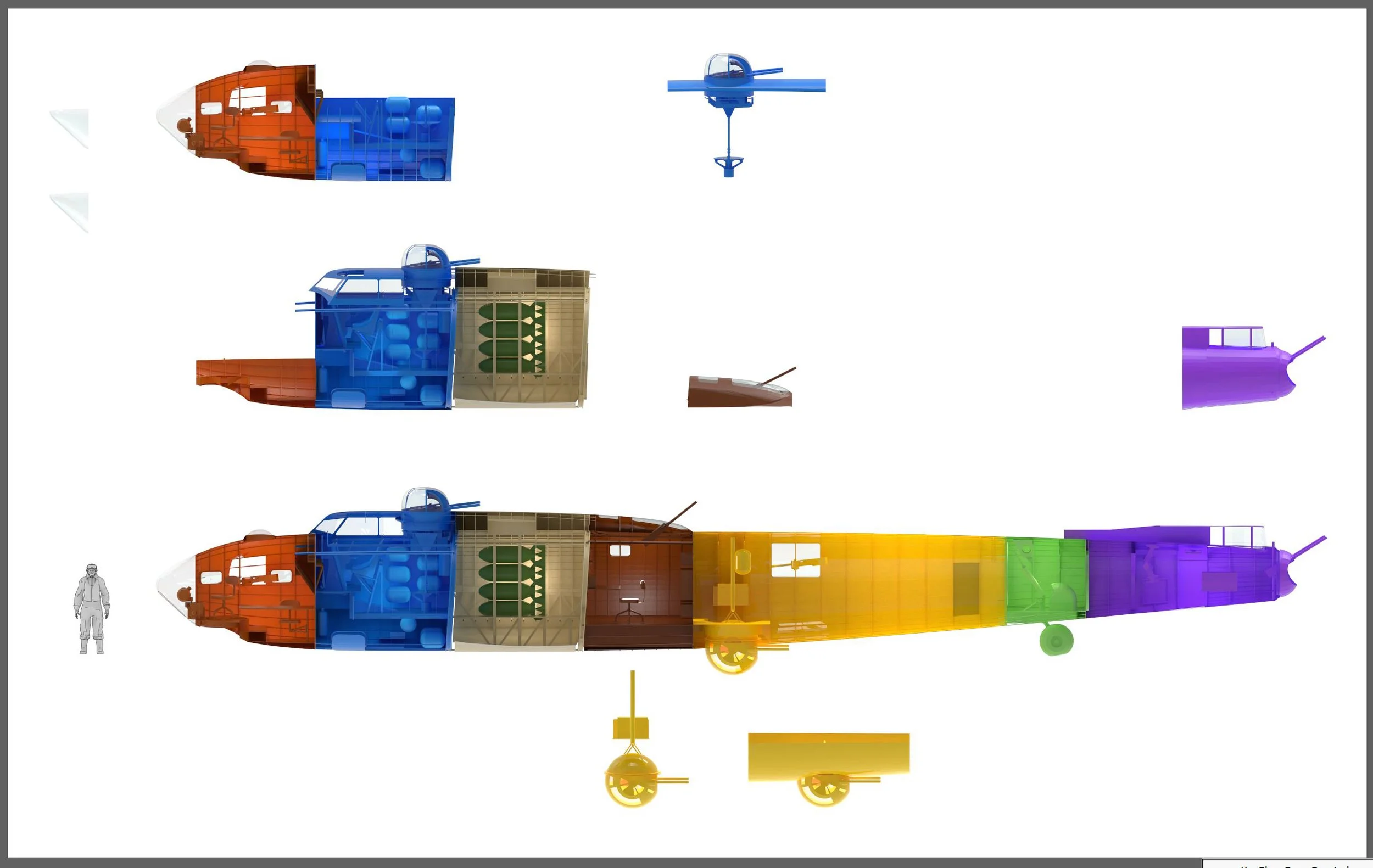
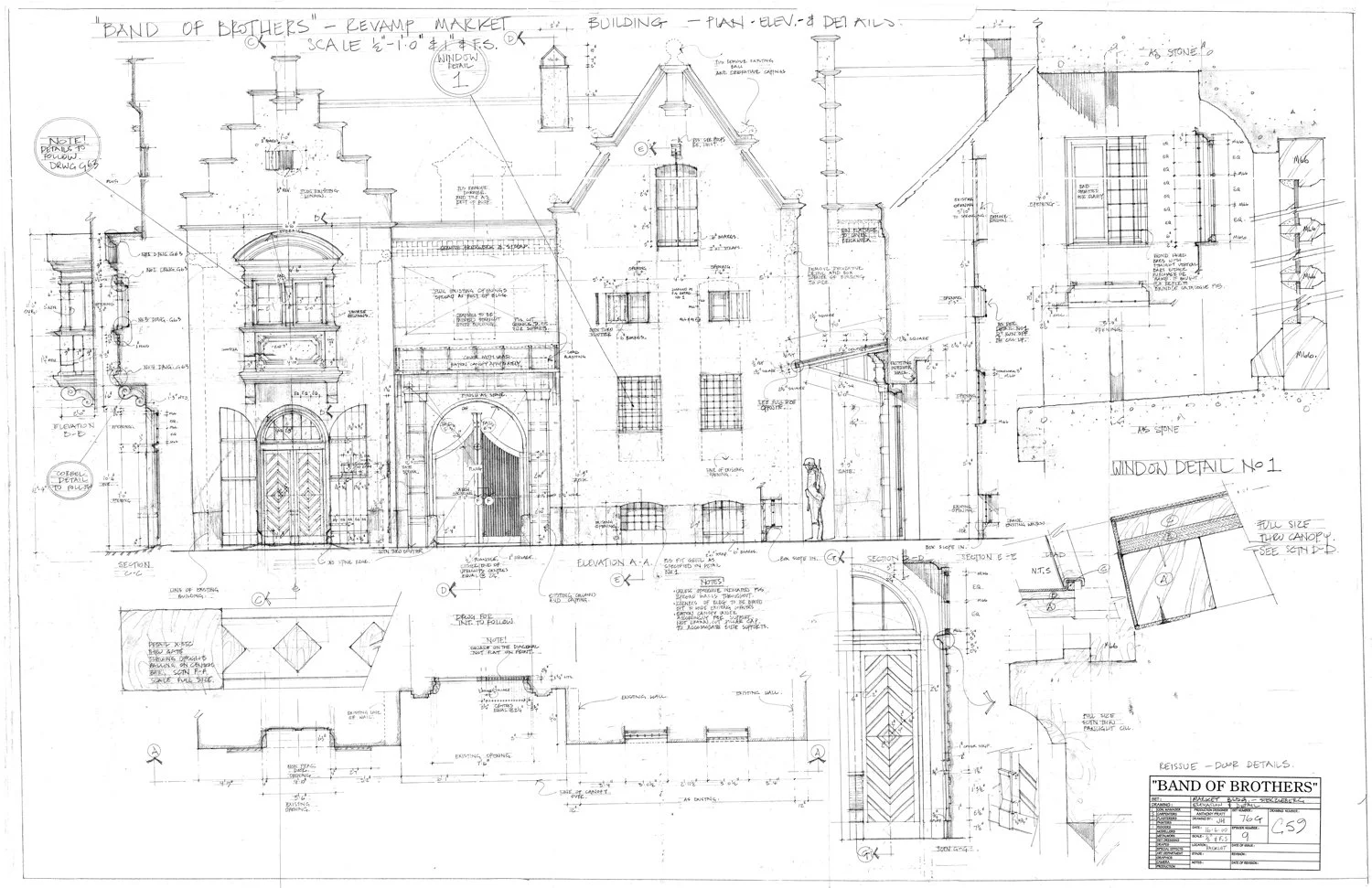
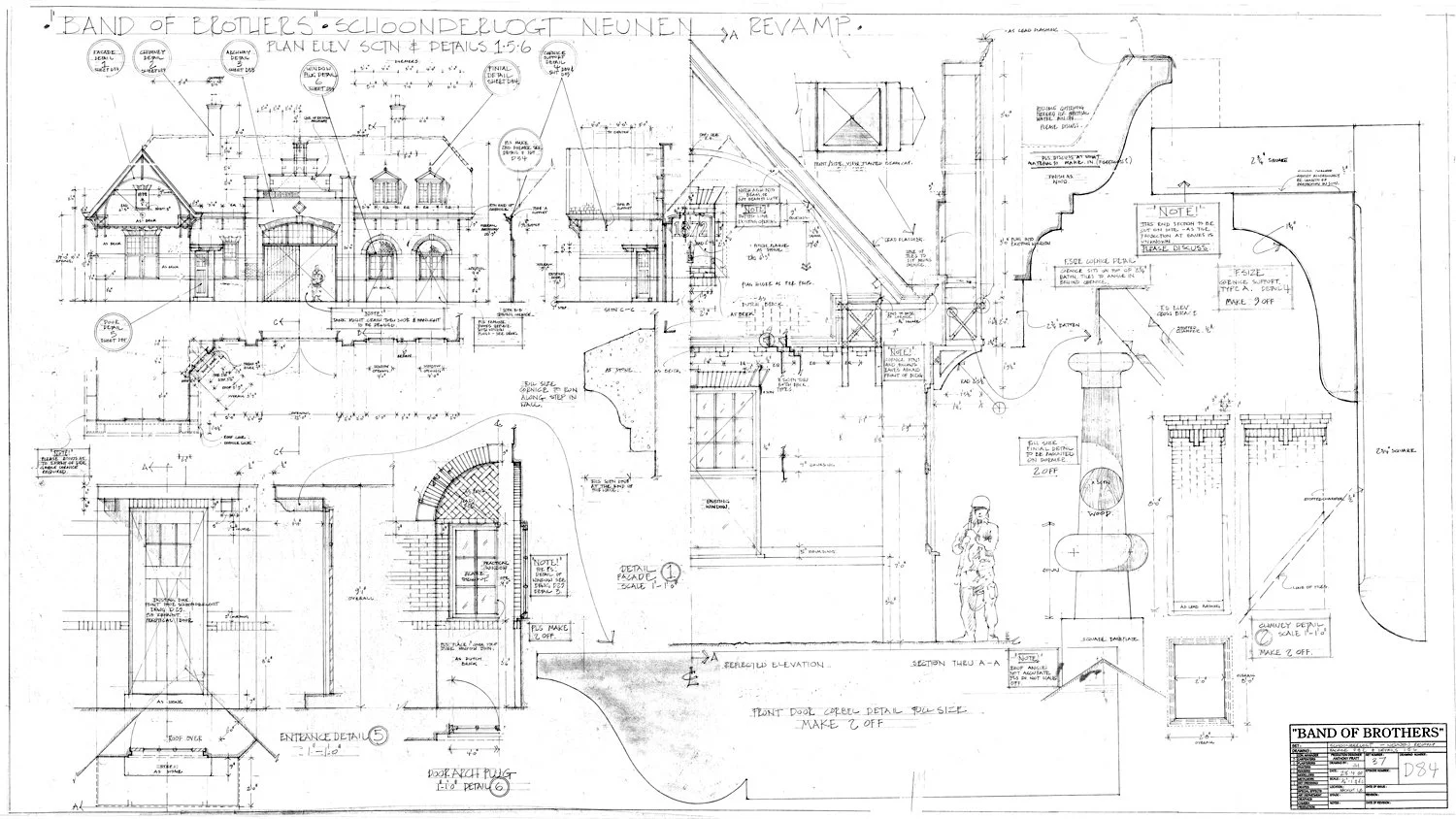
In film, that process can move fluidly between the intuitive and the practical. A drawing might begin as a quick exchange with a director or cinematographer, exploring a narrative or spatial idea, and develop into a visualisation, storyboard or construction drawing that ultimately informs how a set is built and photographed. Drawing allows imagination and precision to exist together.
For me, the distinction between an artwork and a production drawing is ultimately one of purpose rather than process. The same instinct to observe, question, abstract and construct underlies both.
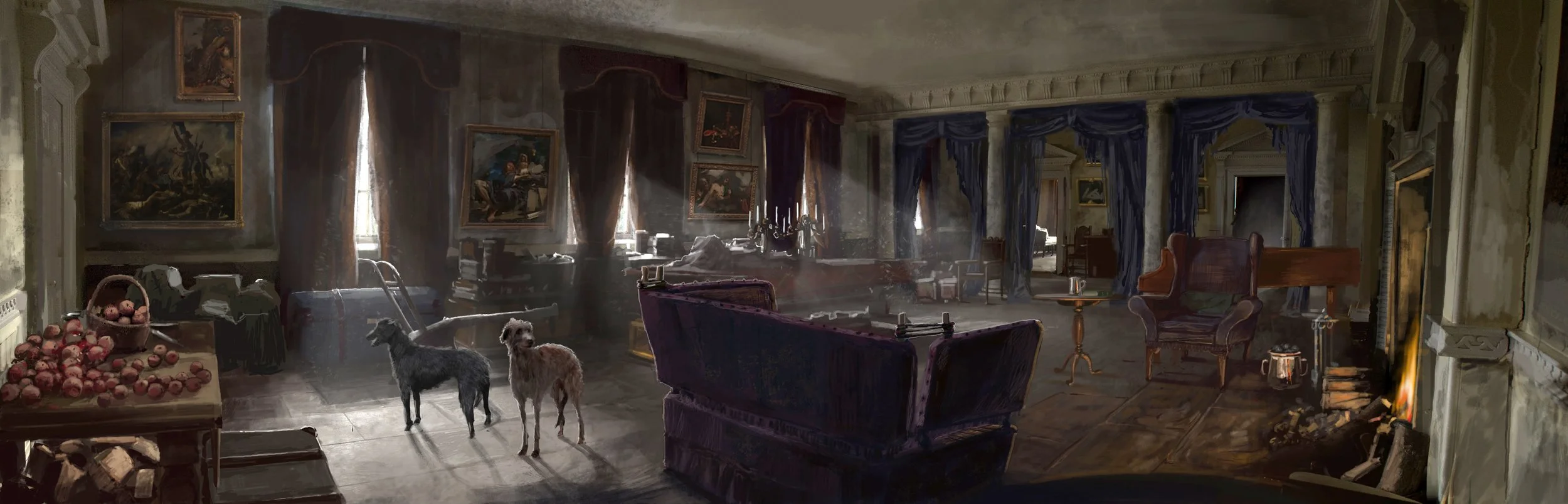
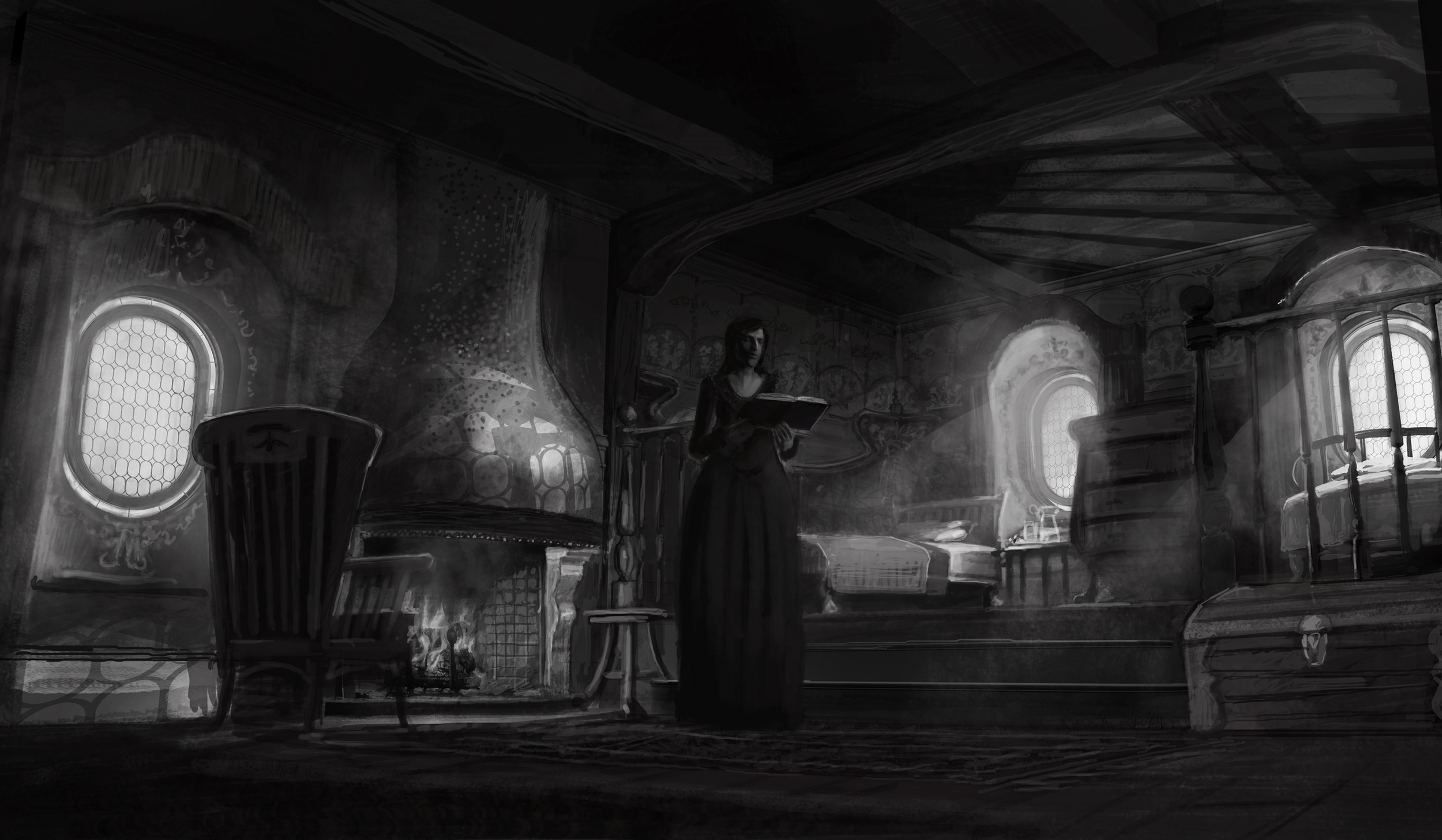
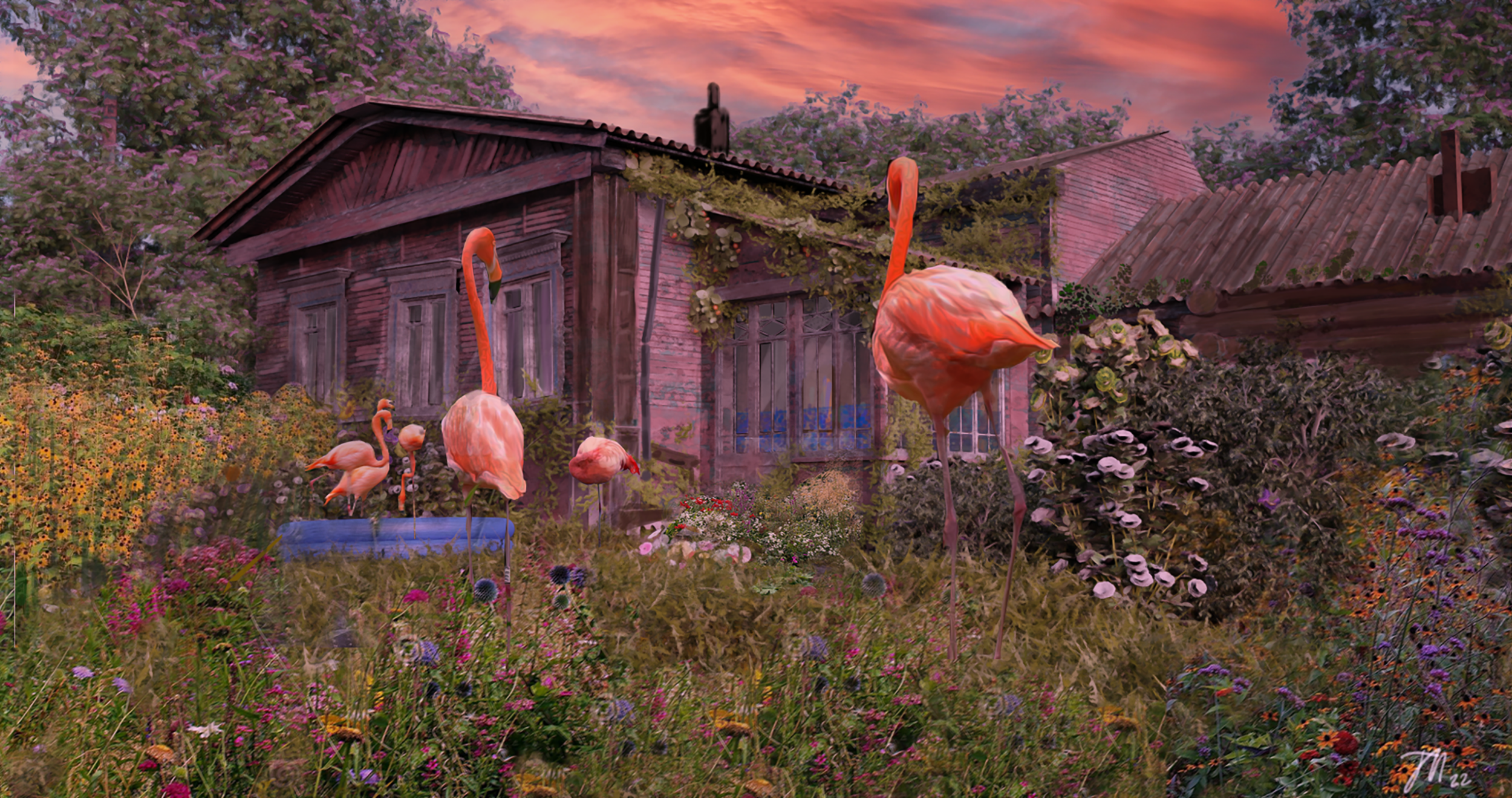
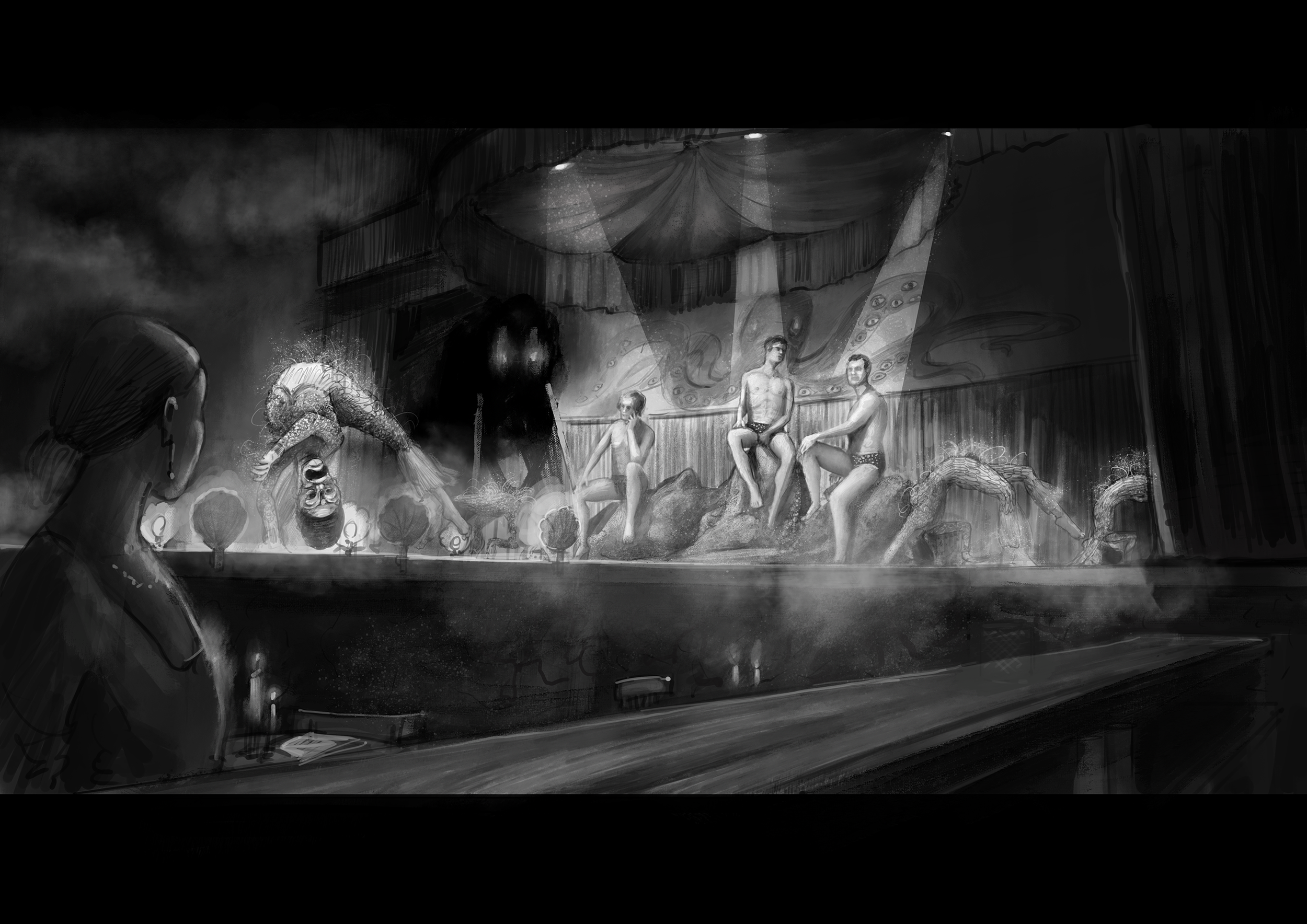
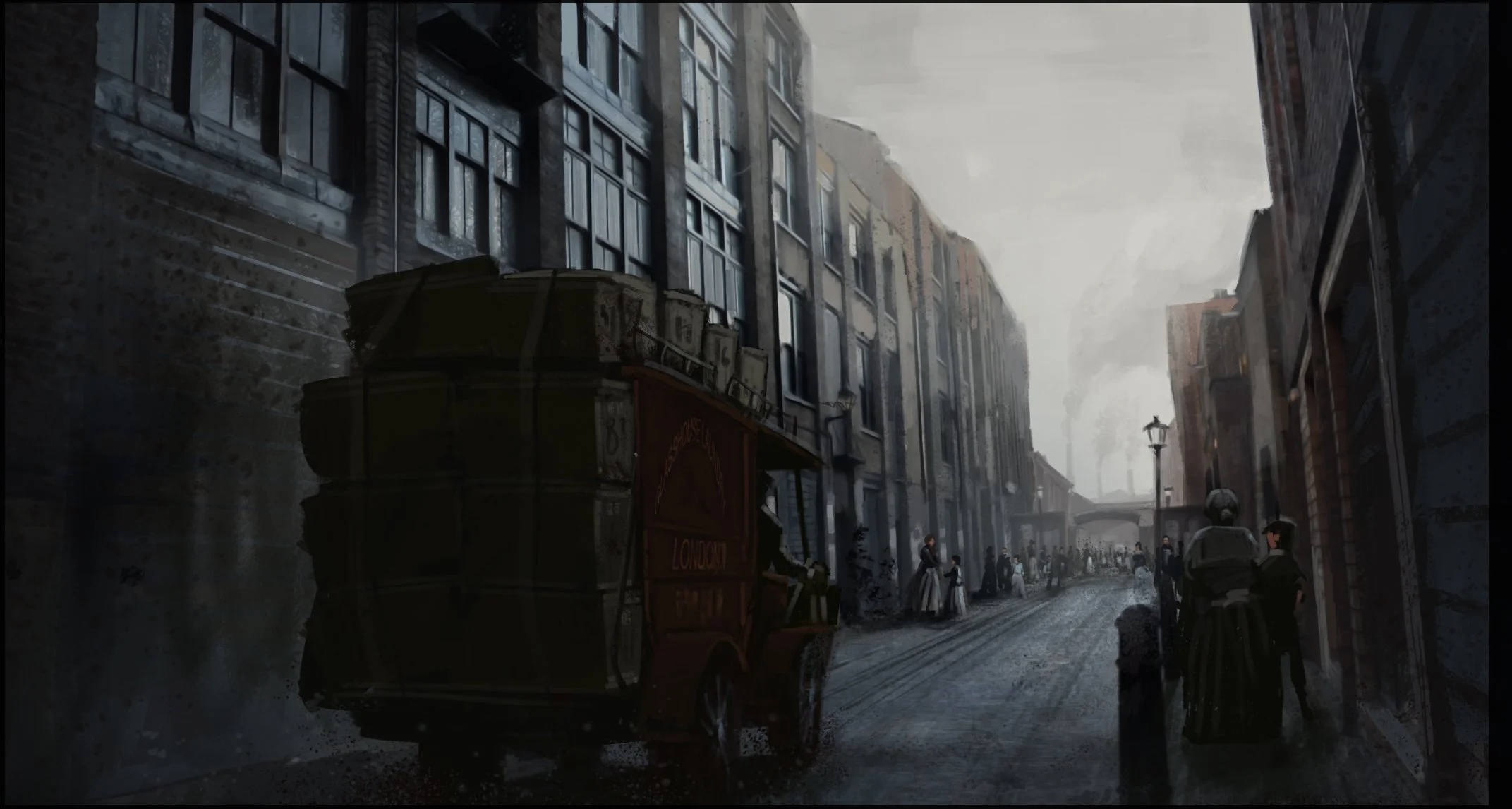
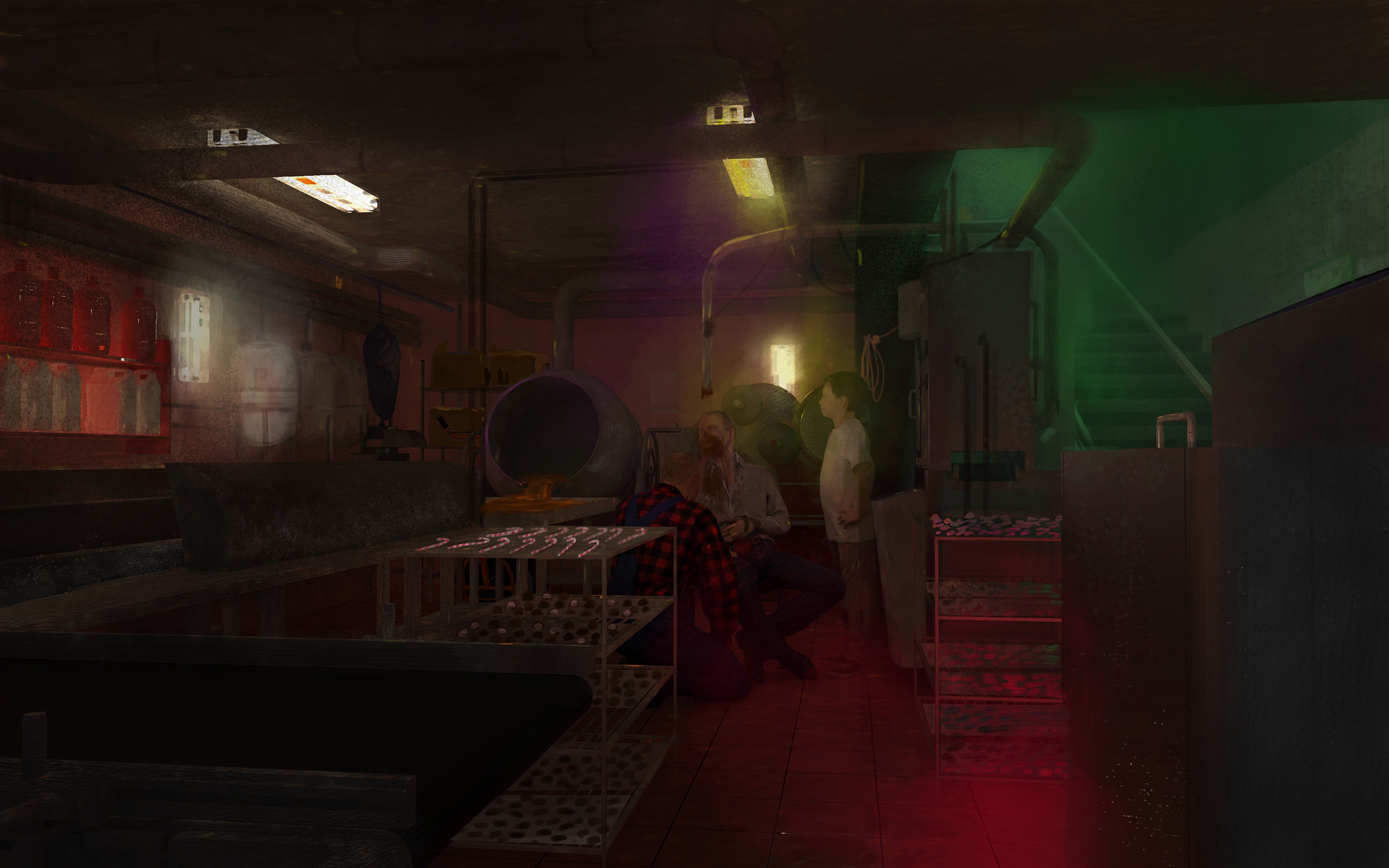
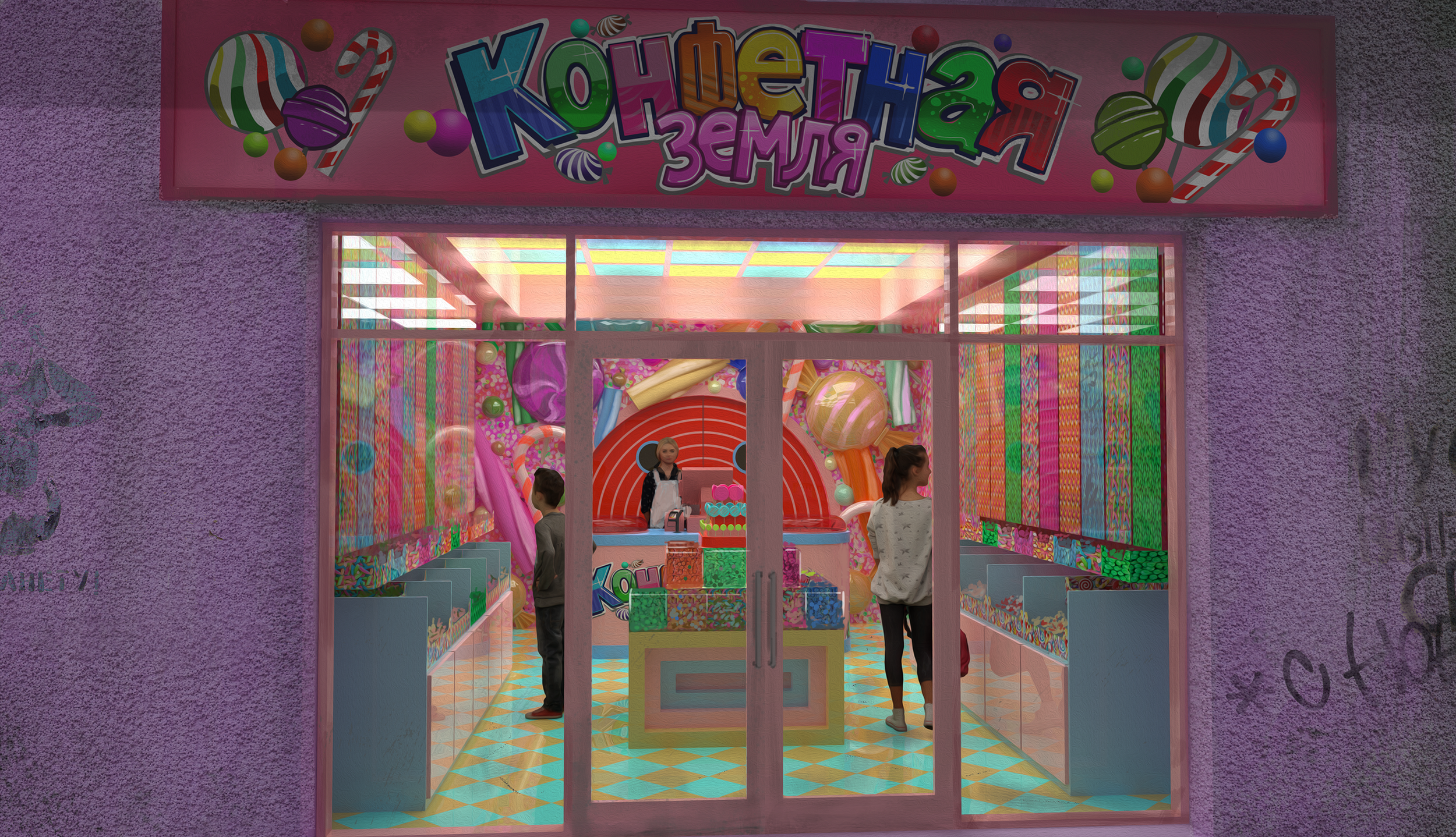
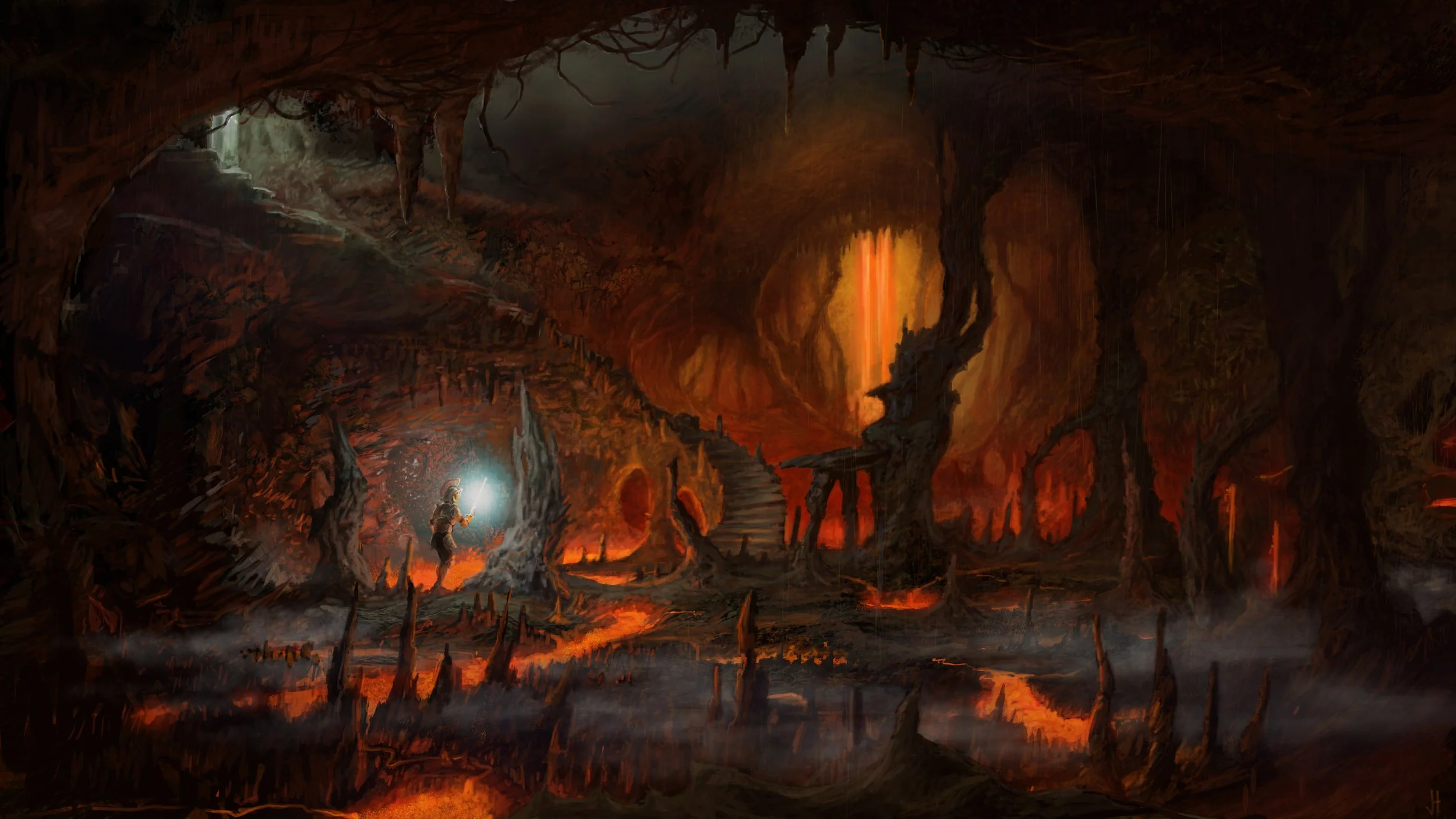
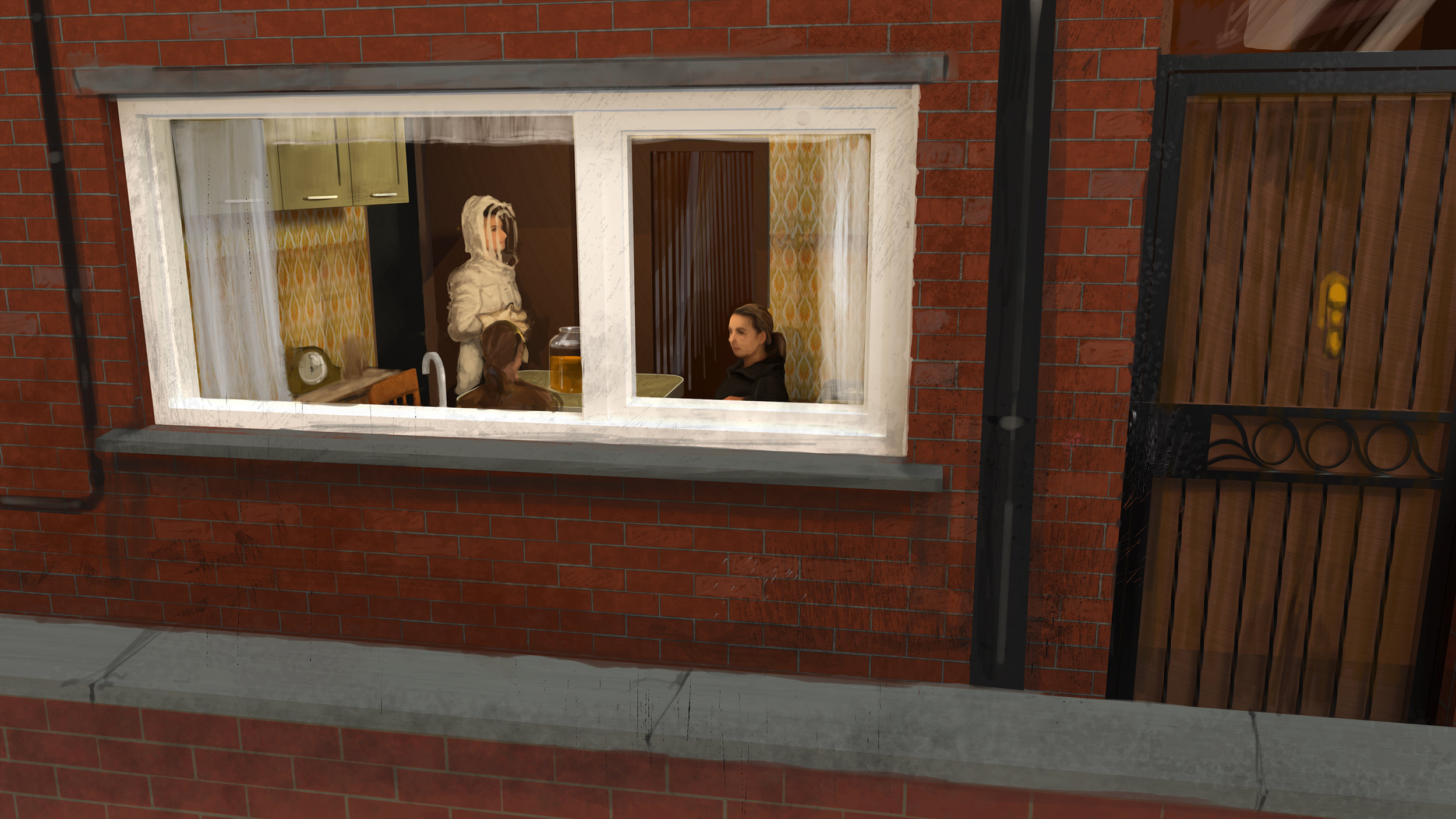
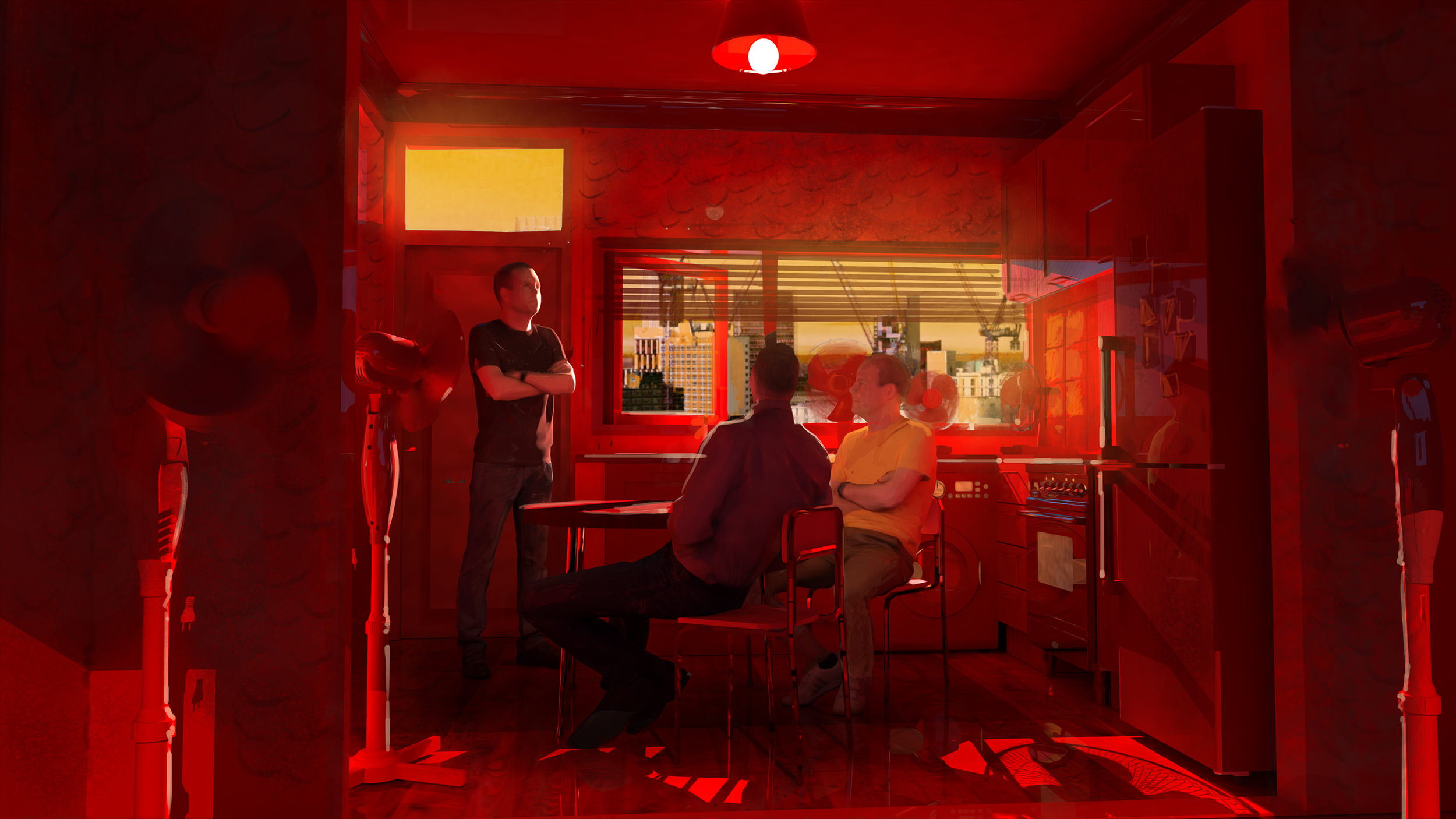
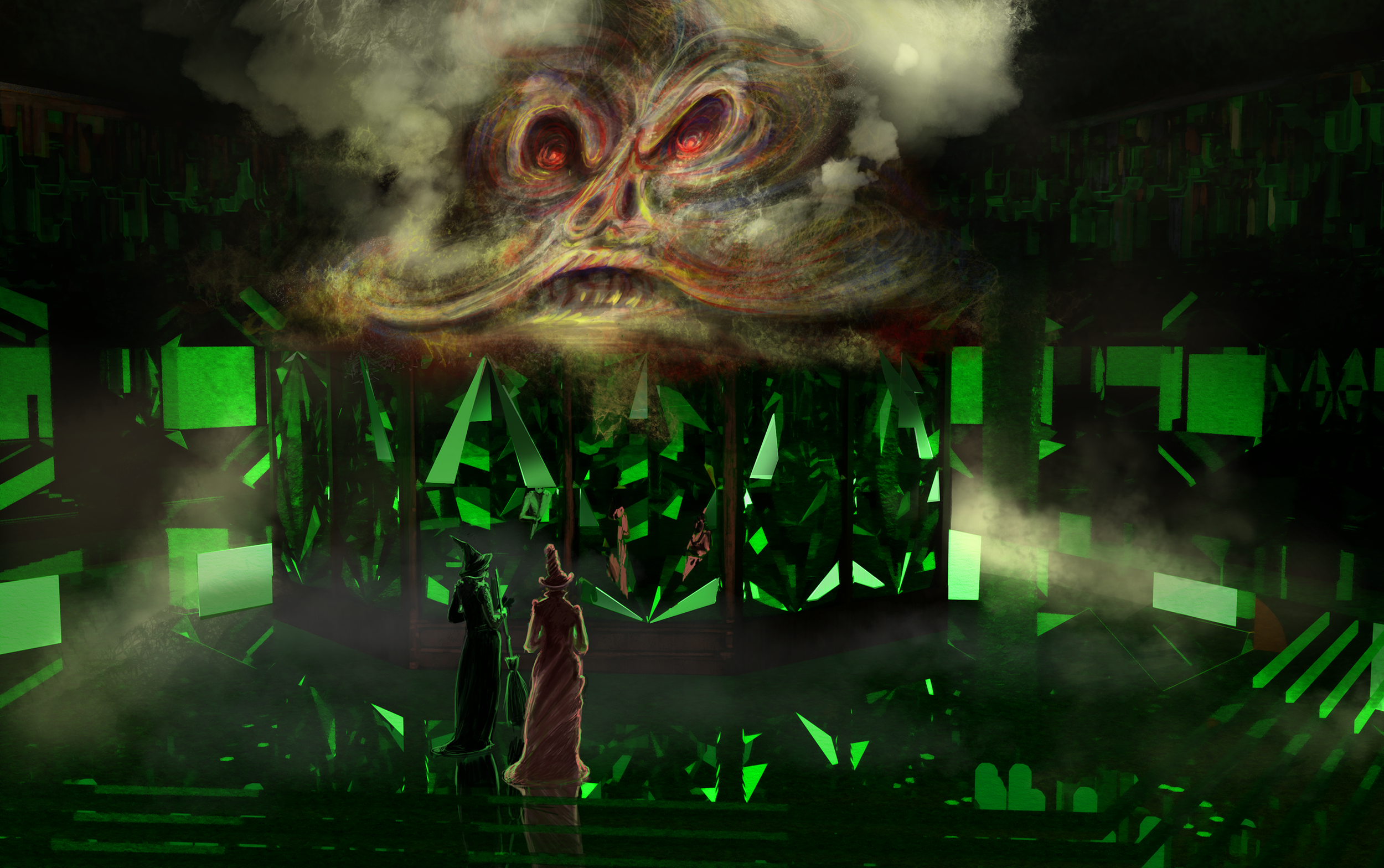
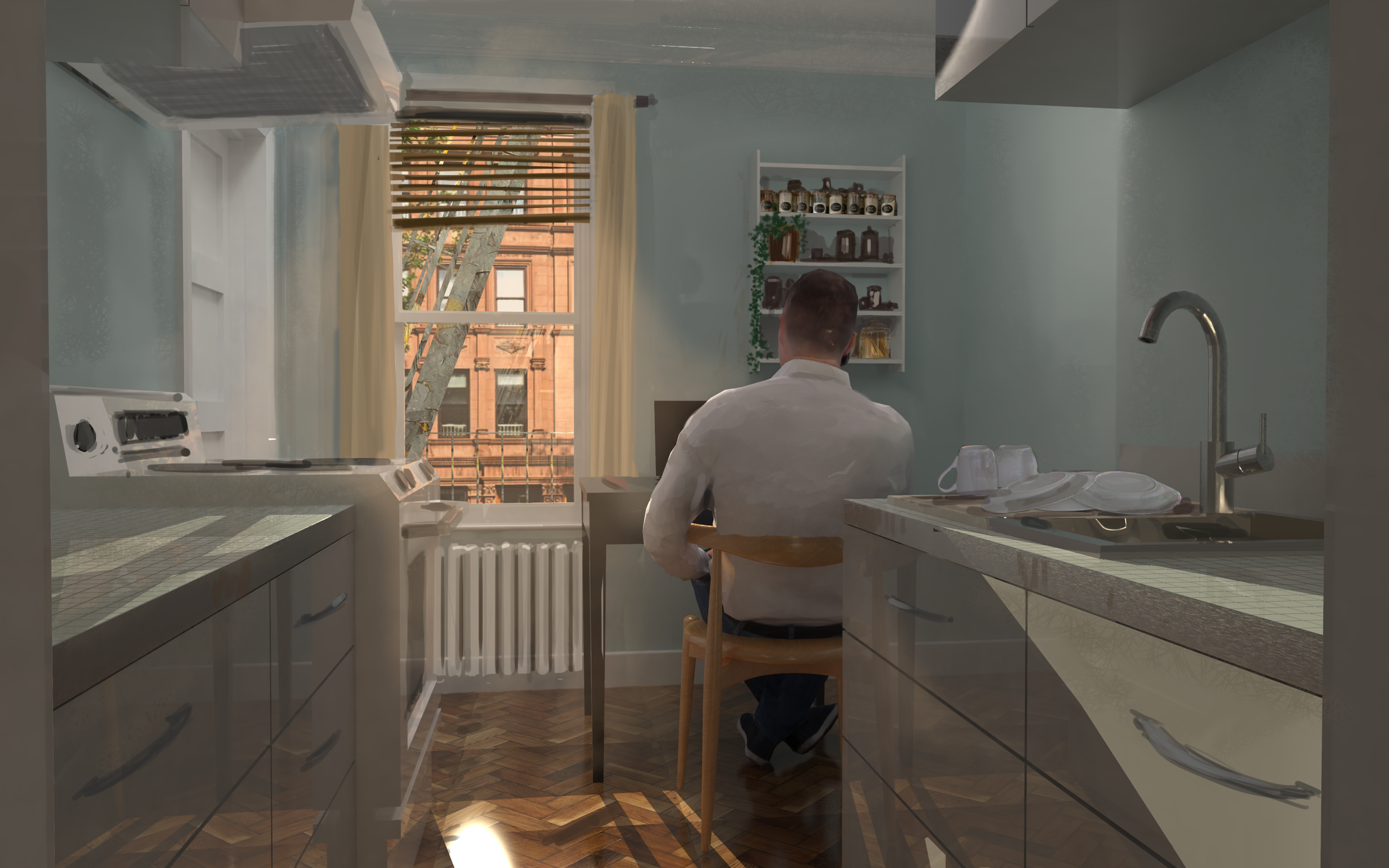
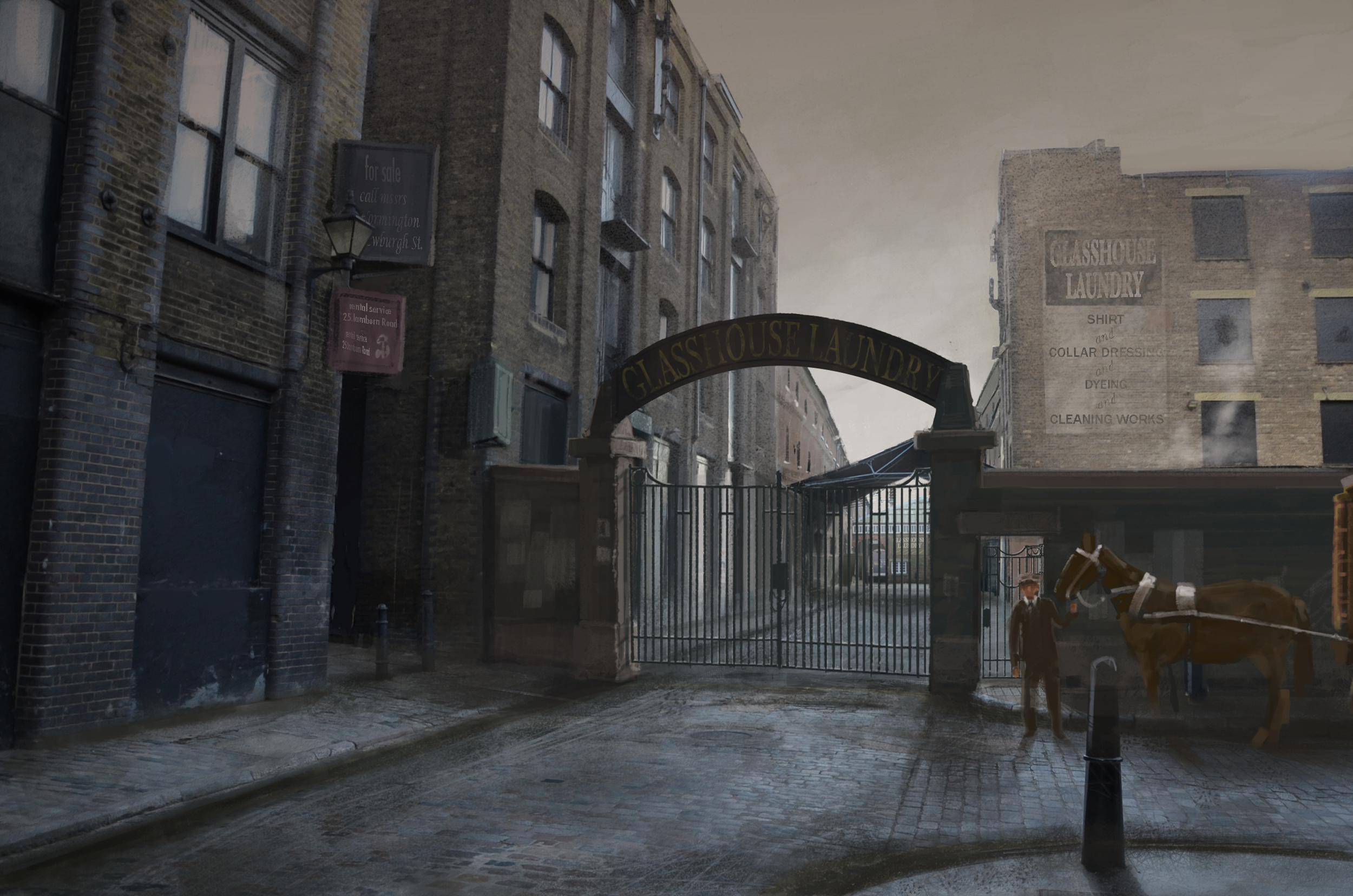
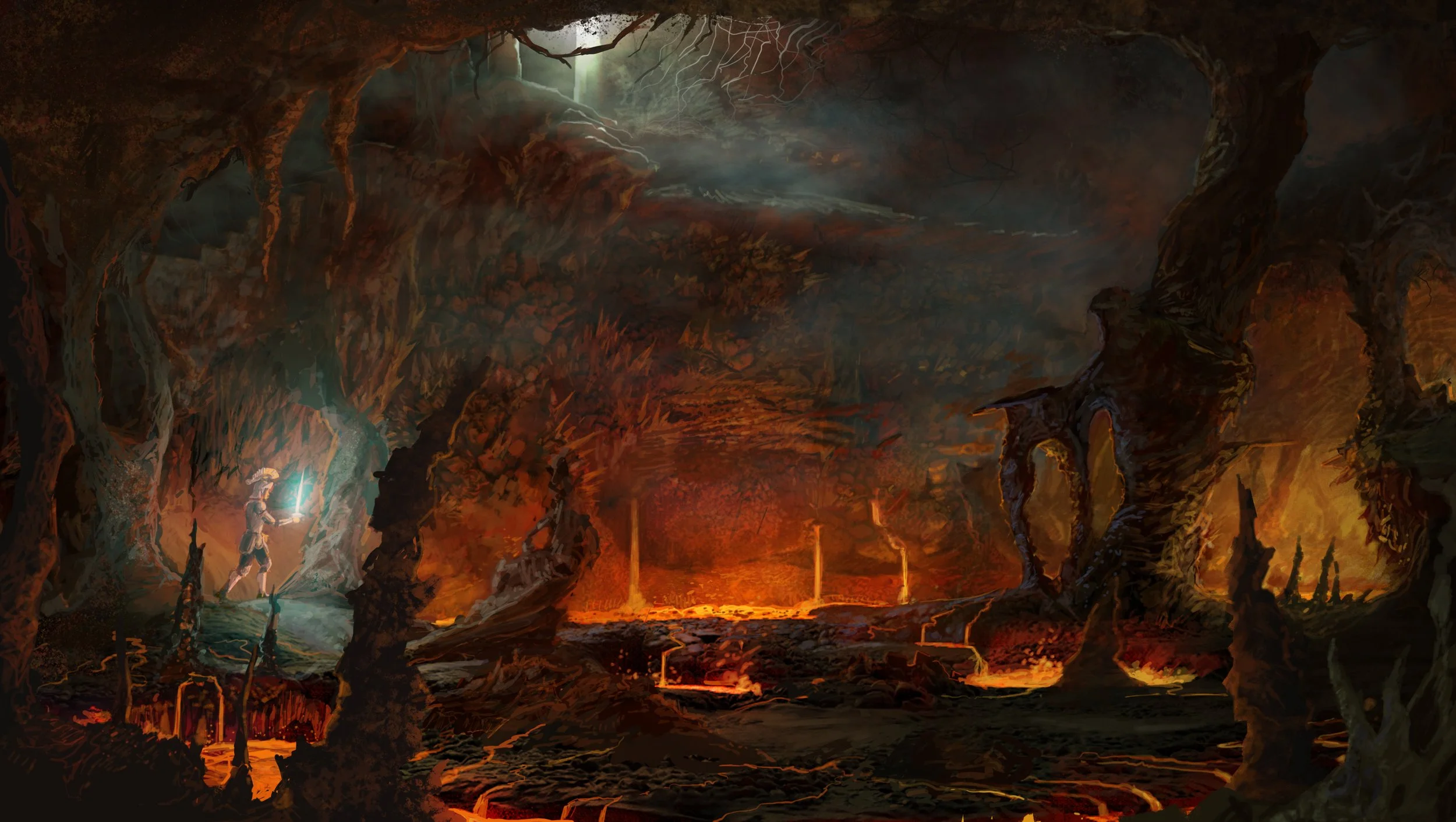
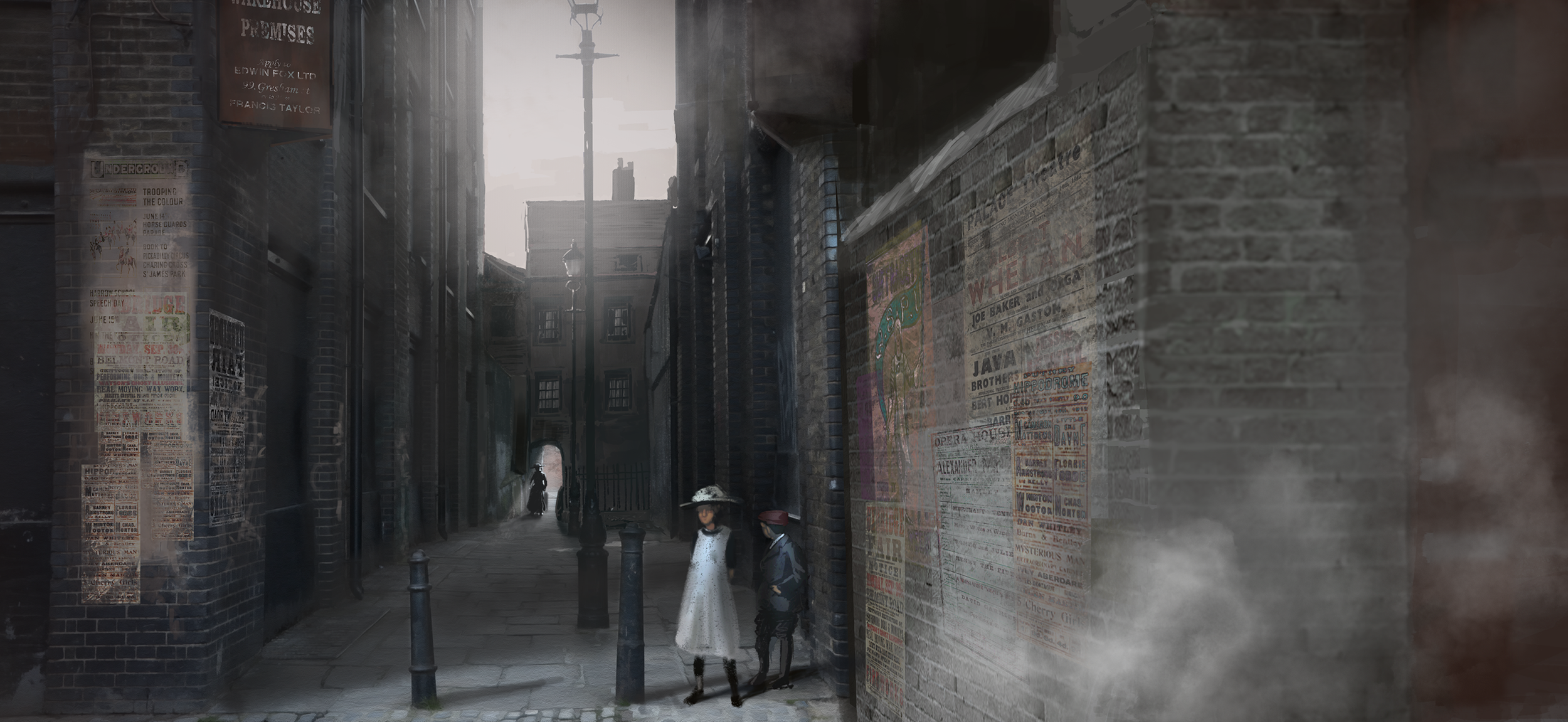
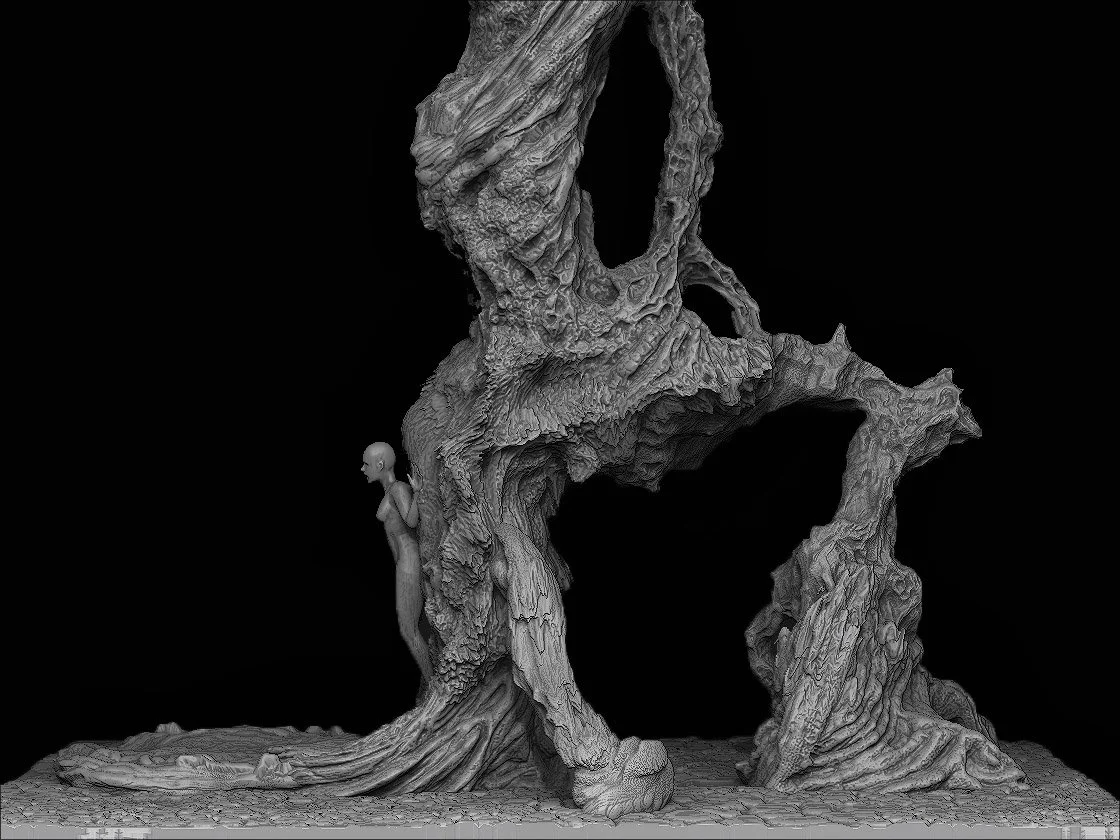
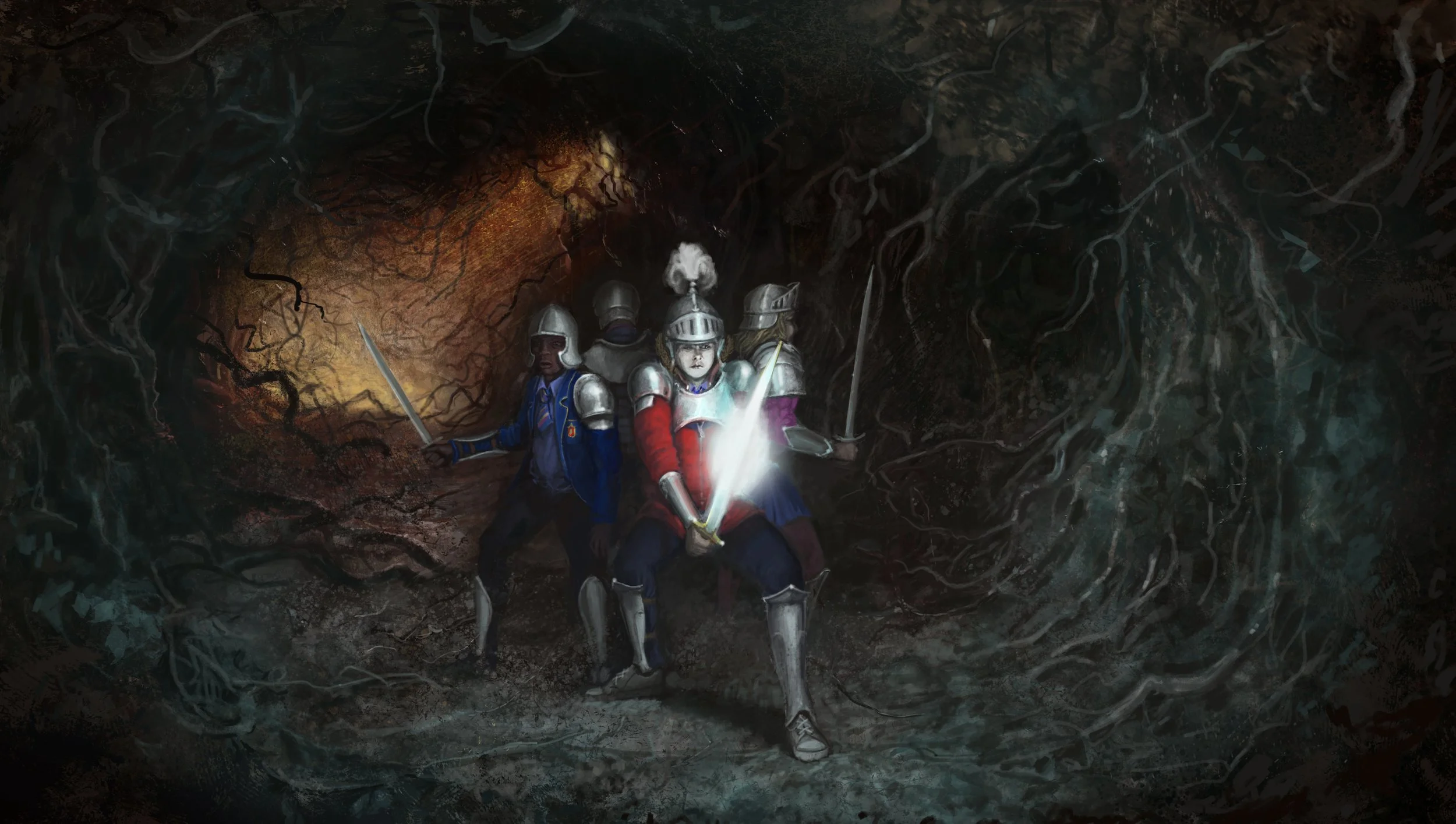
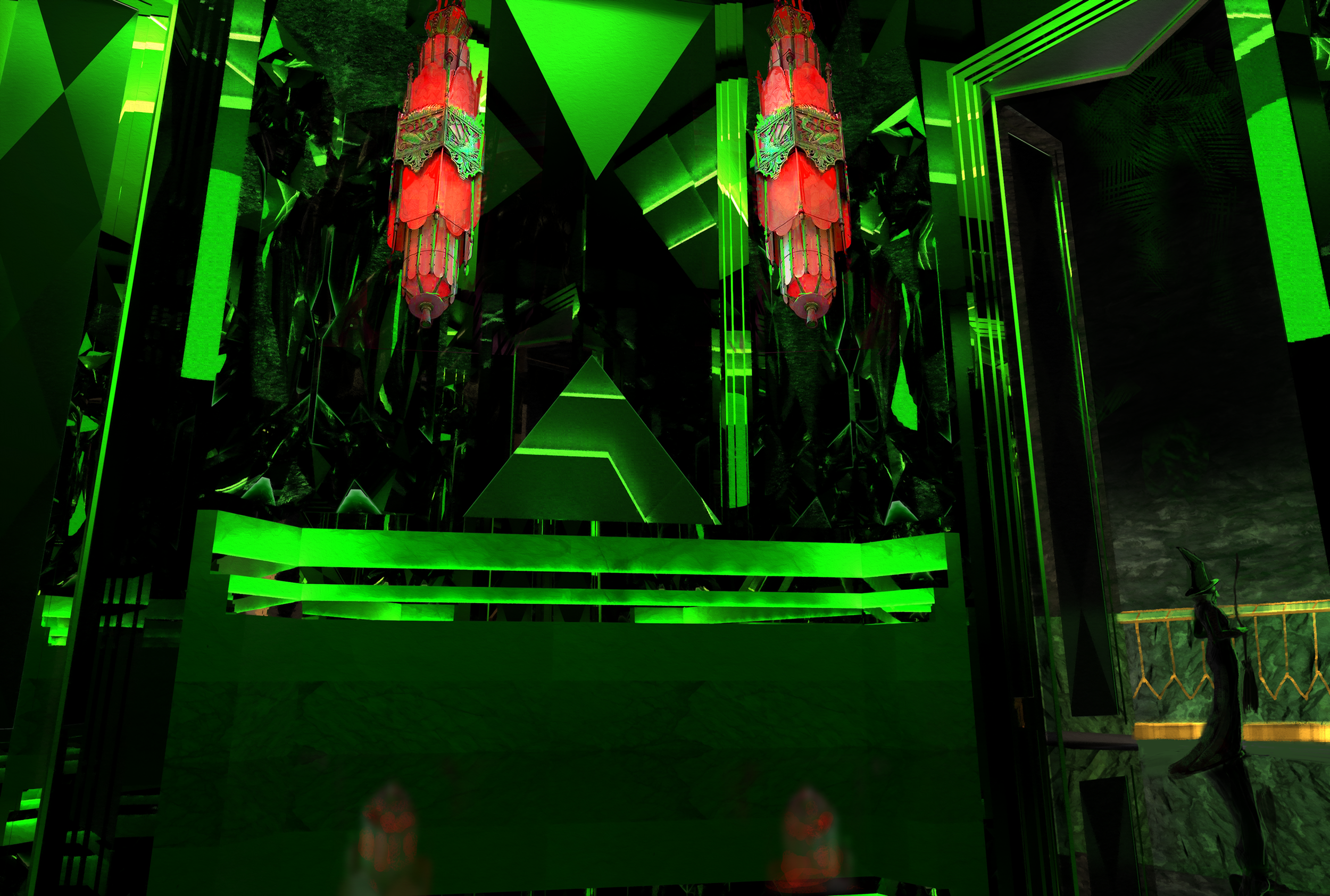
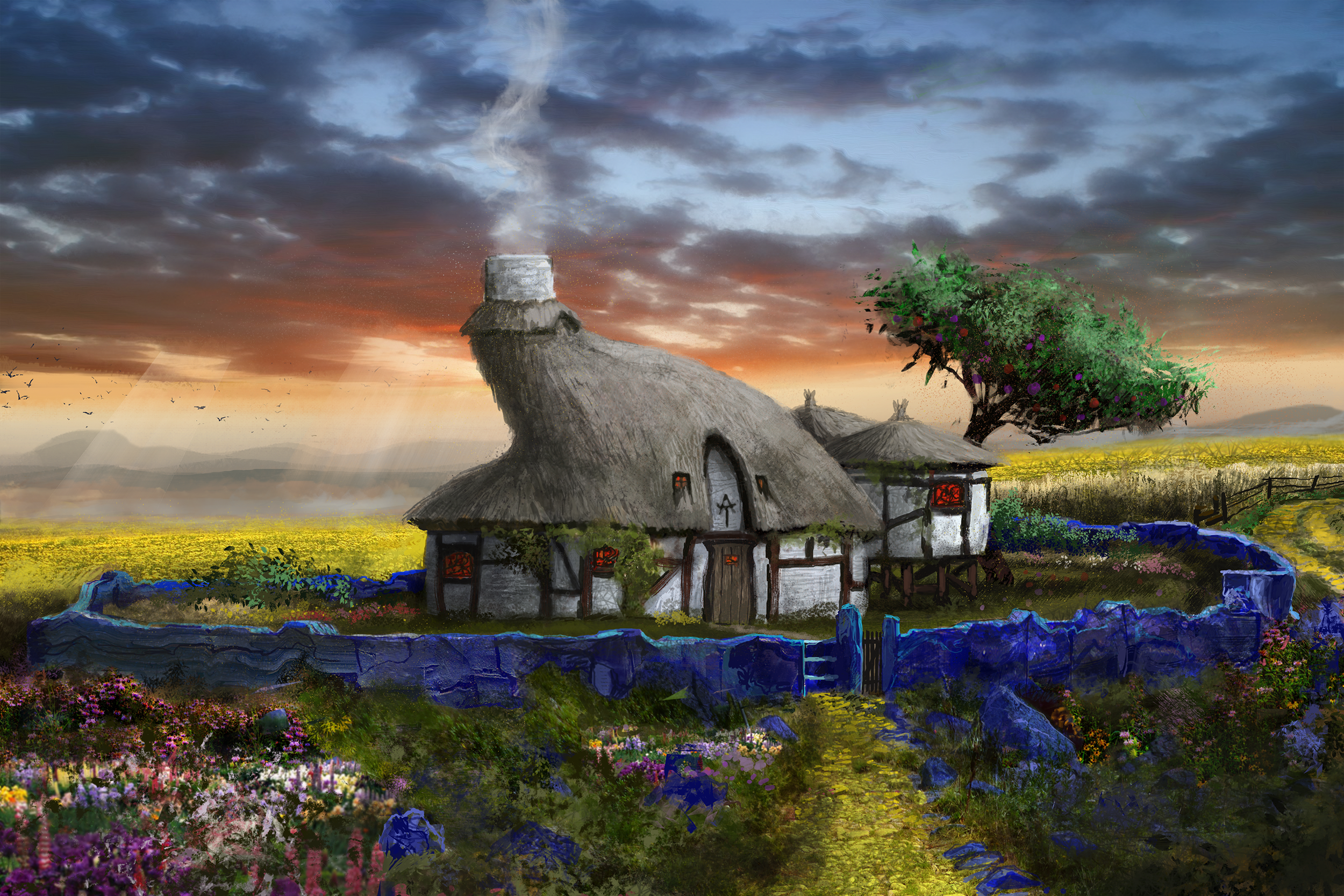
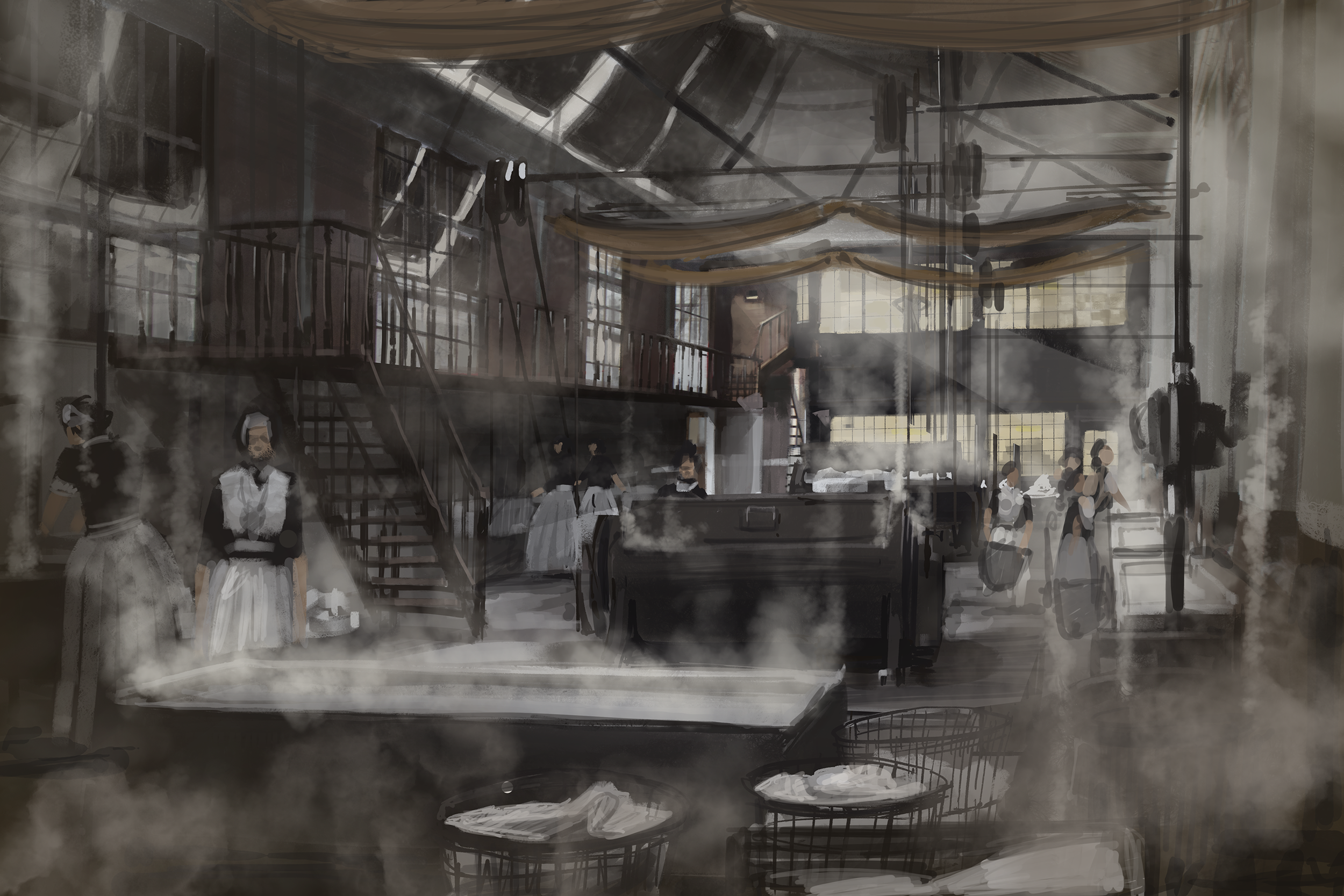
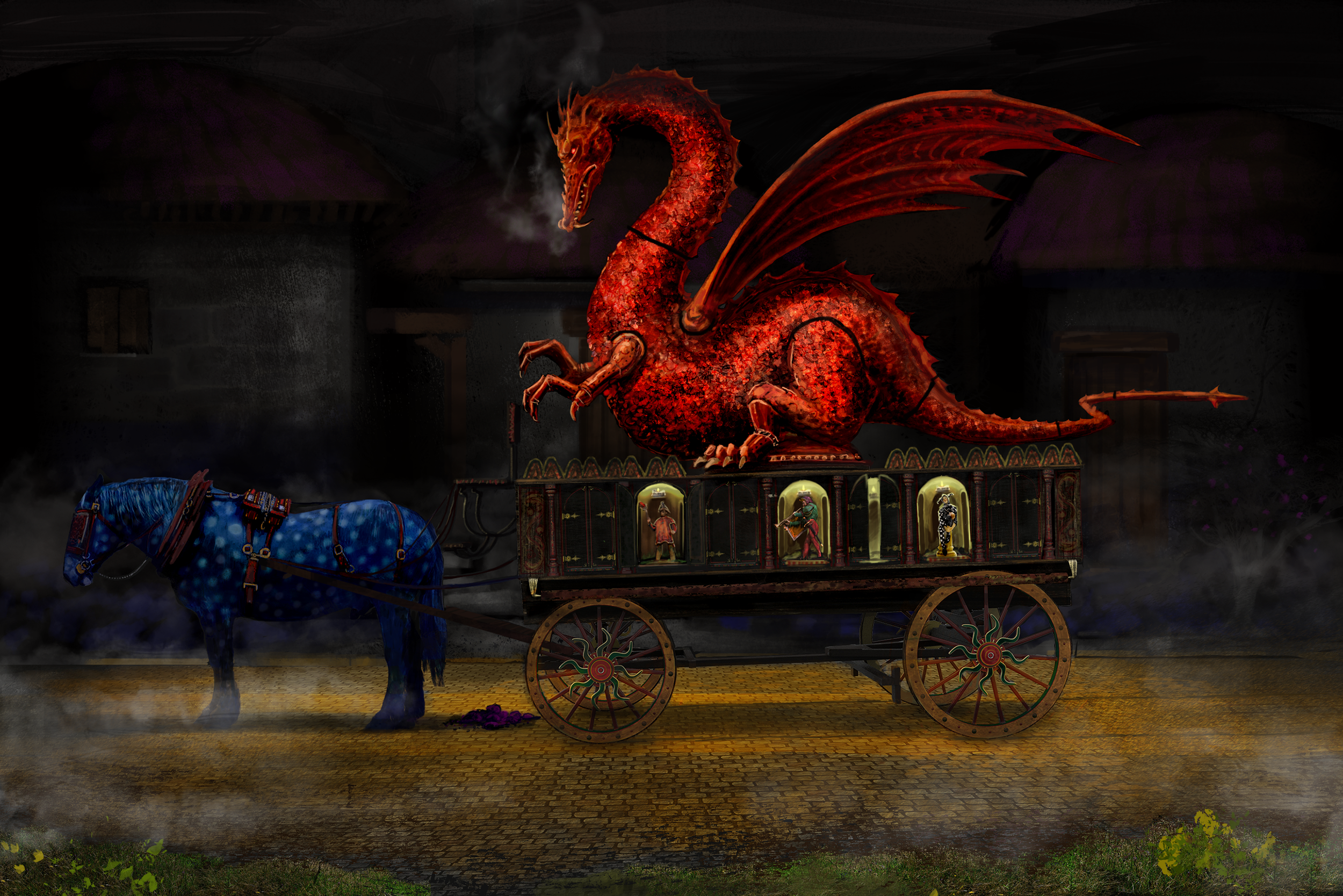
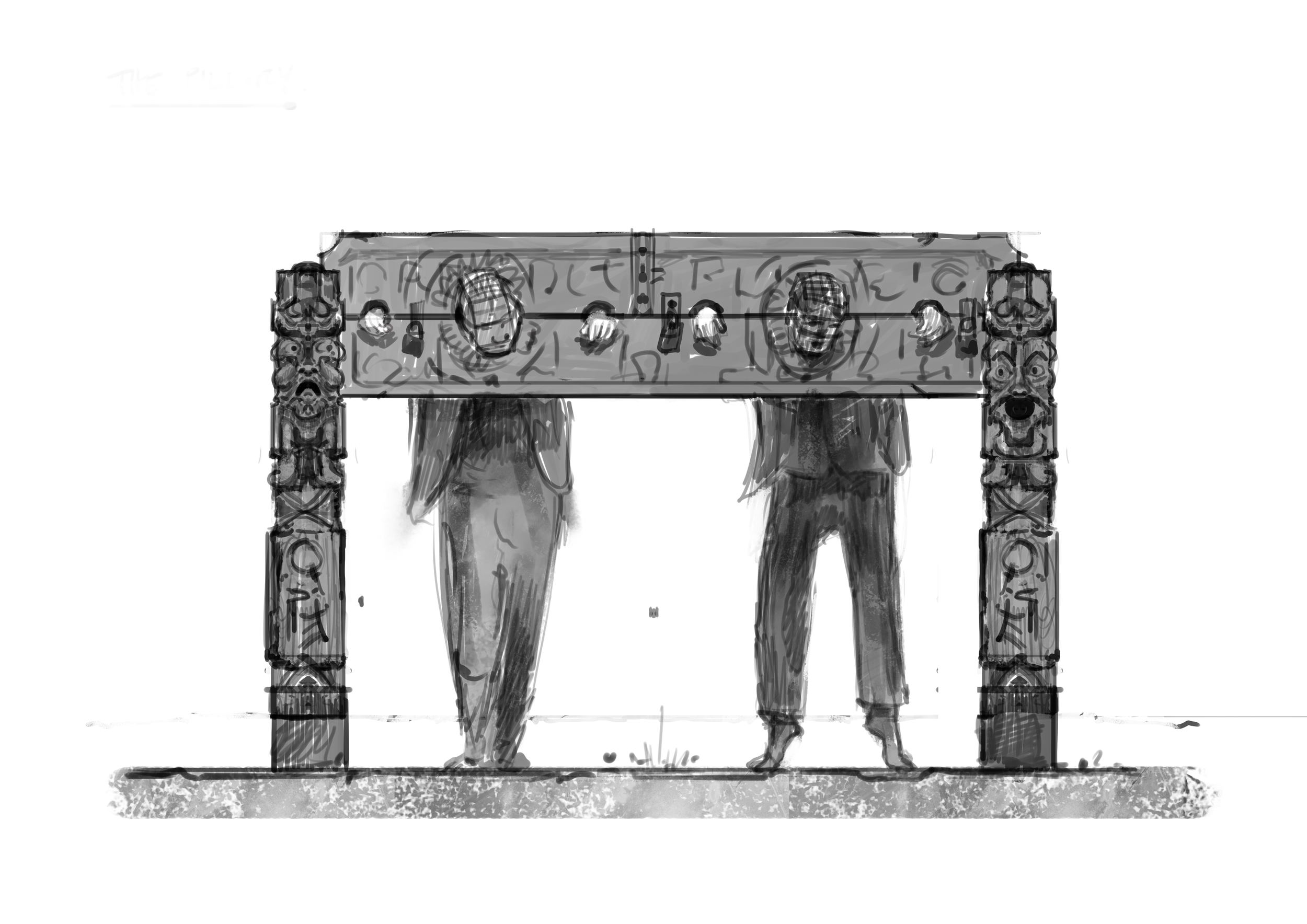
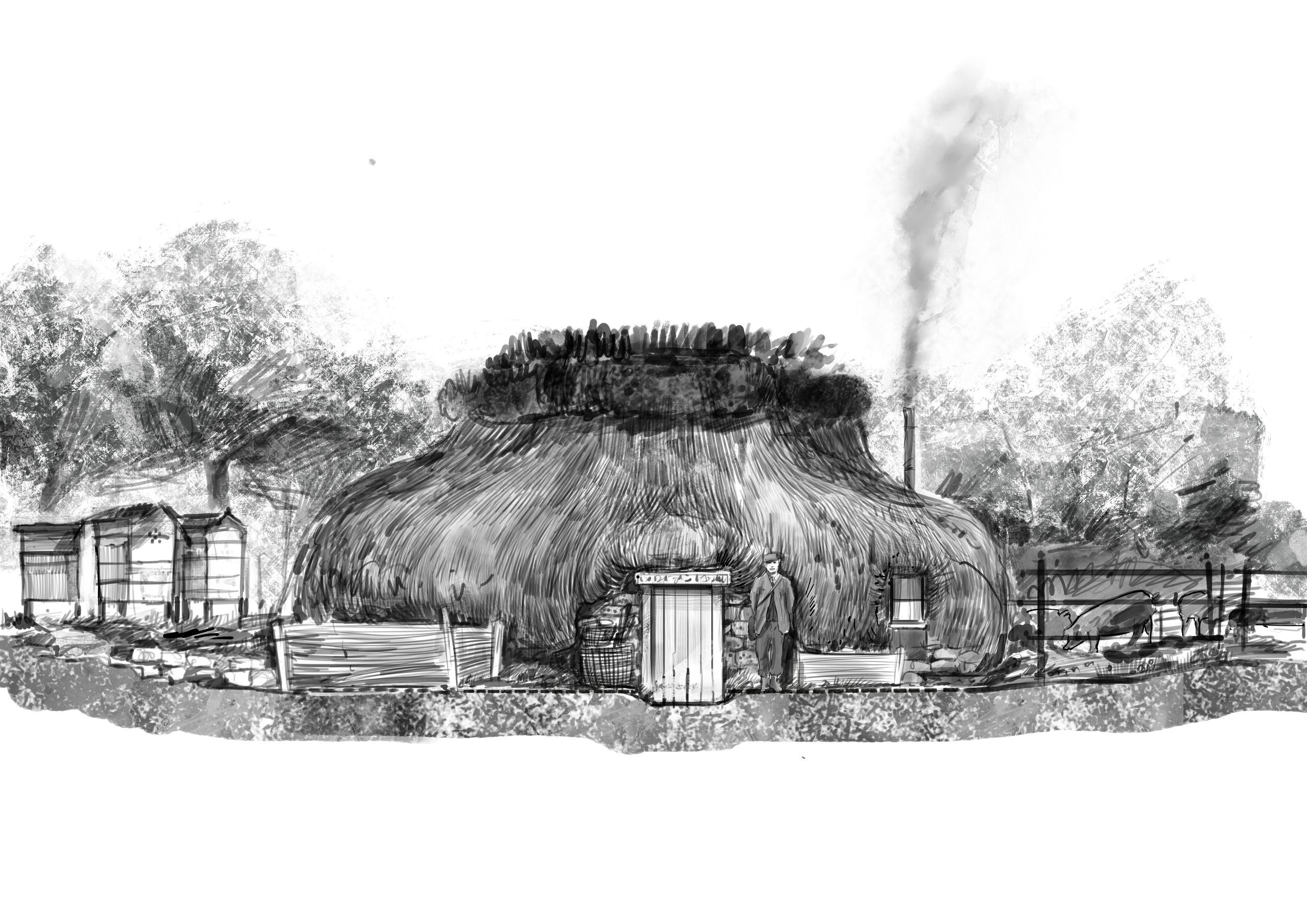
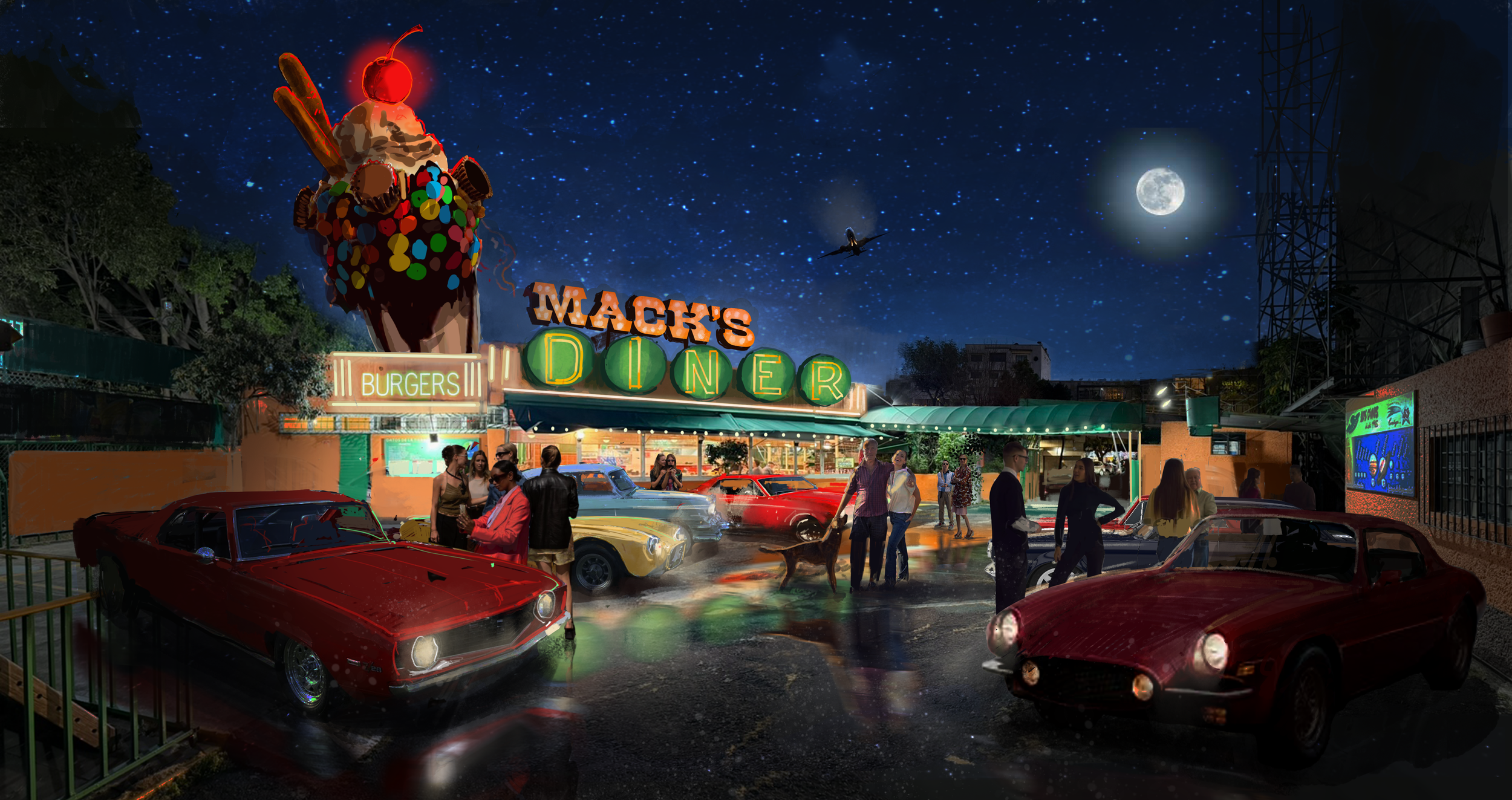
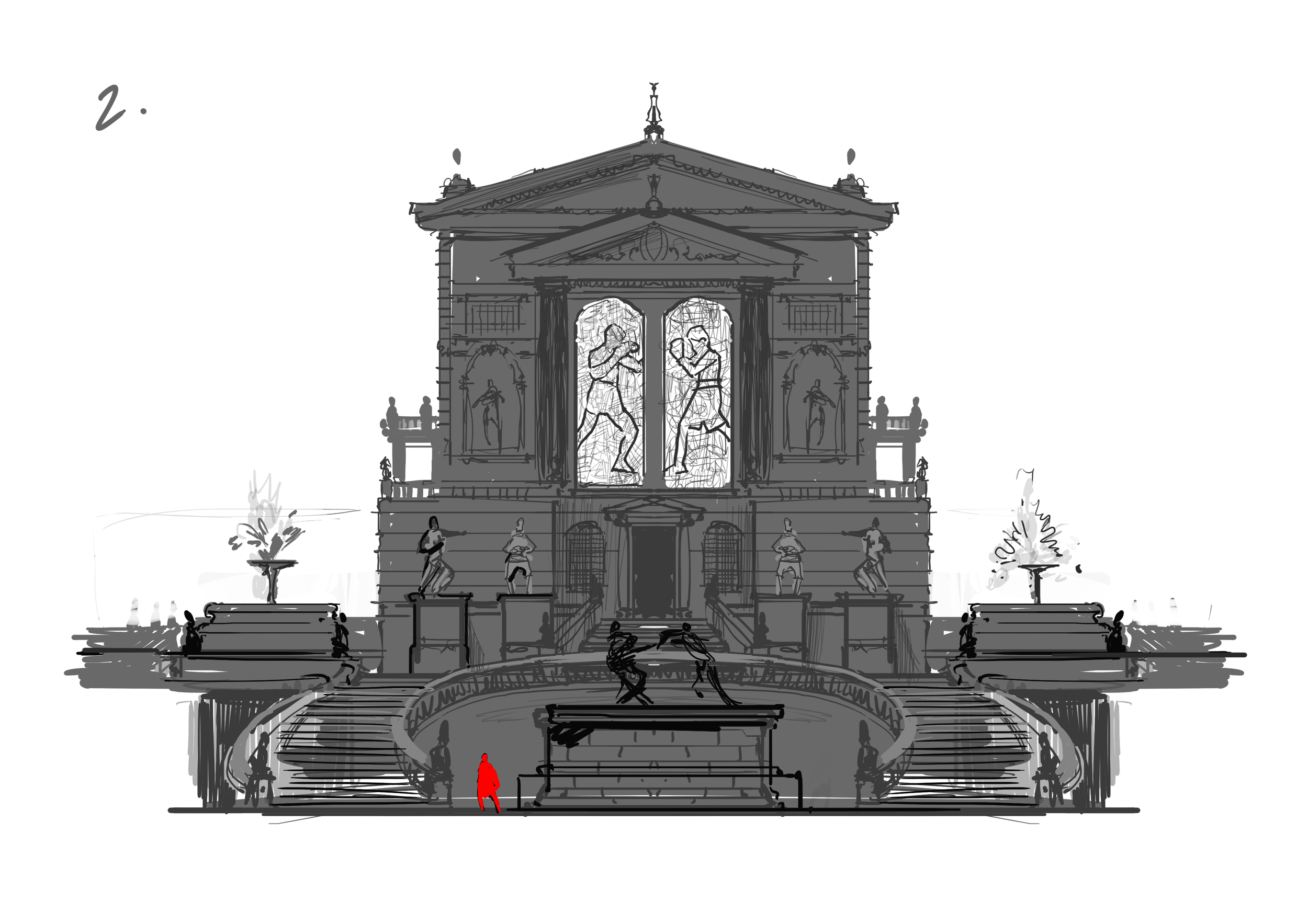
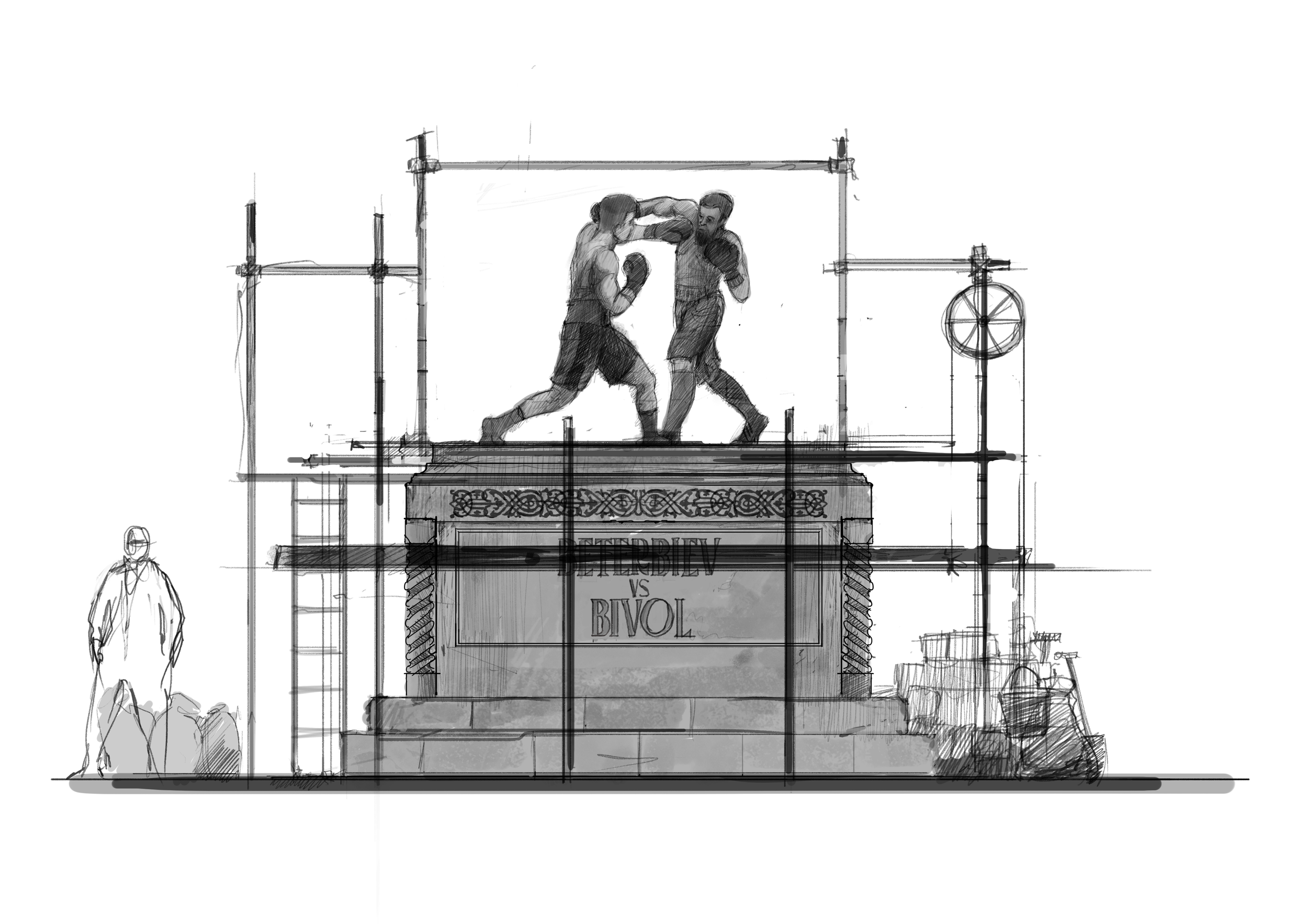
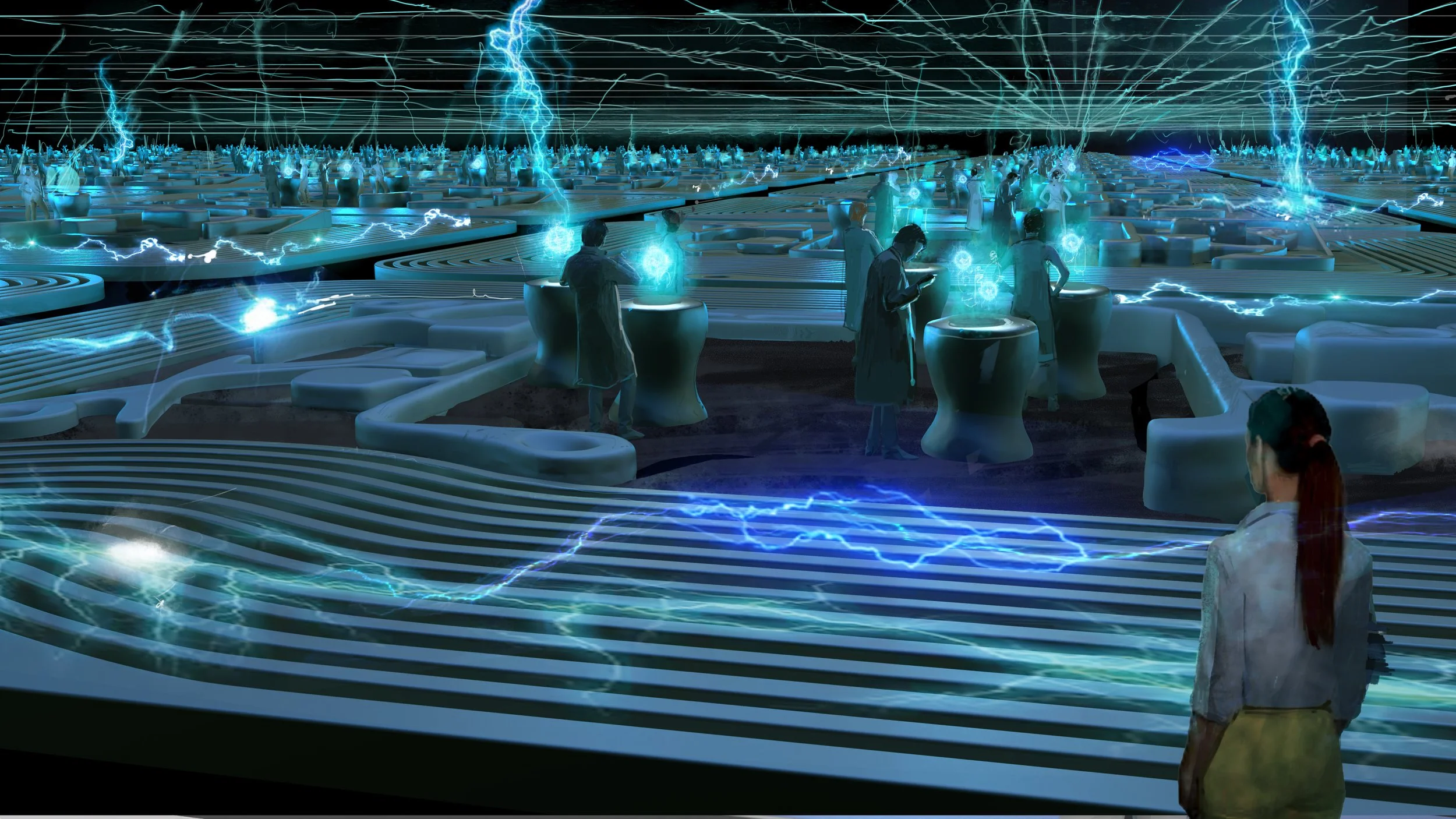
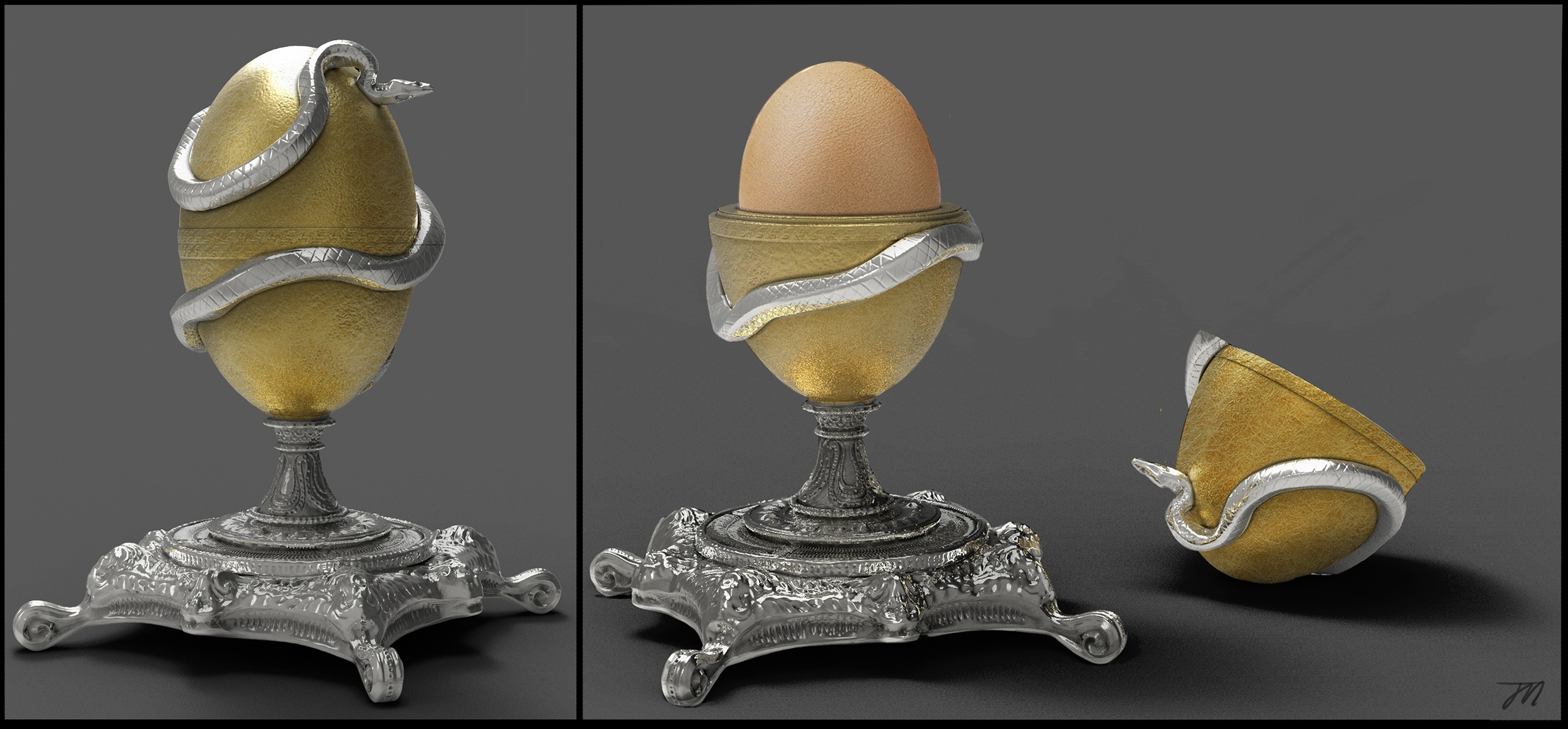
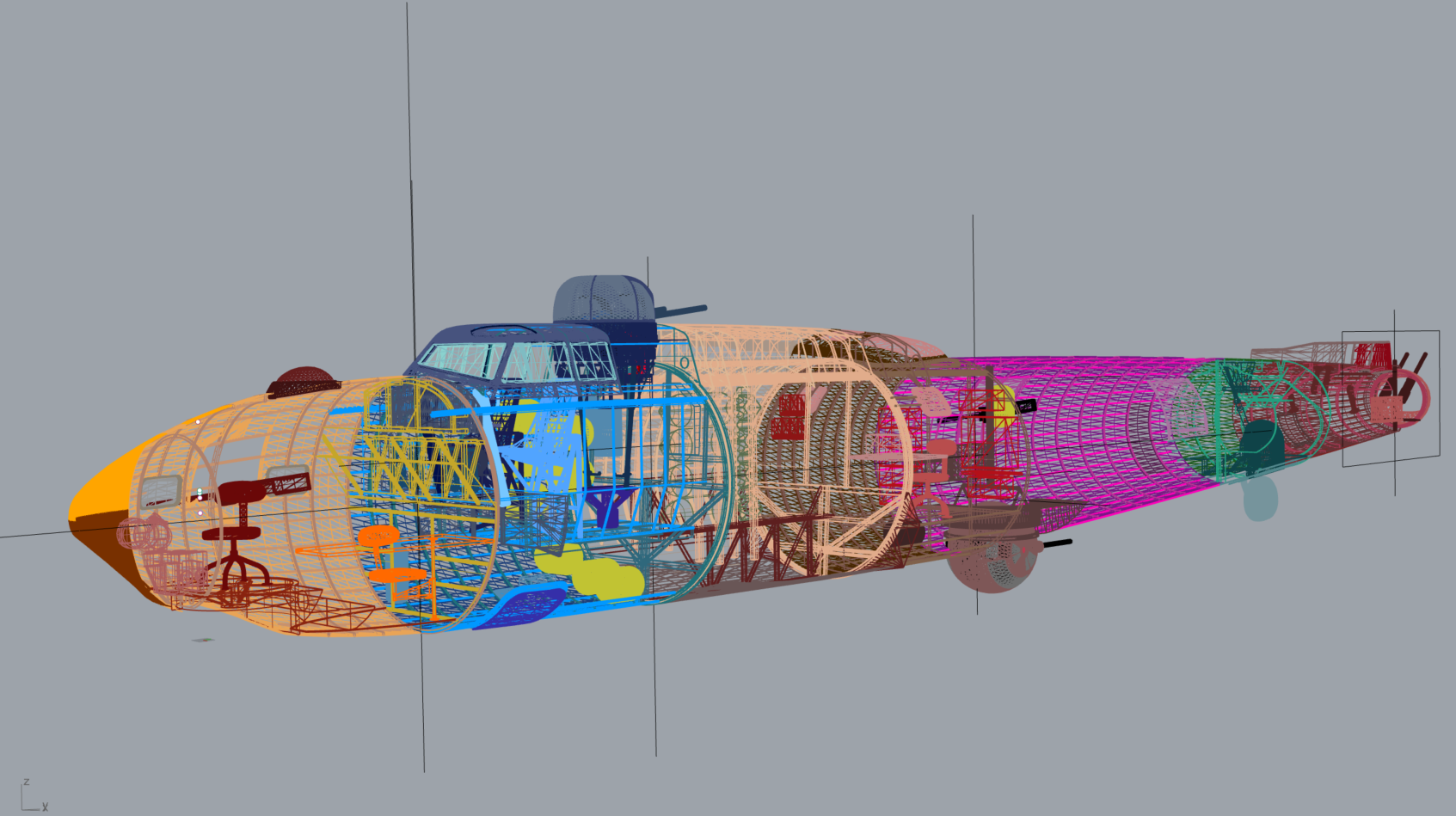
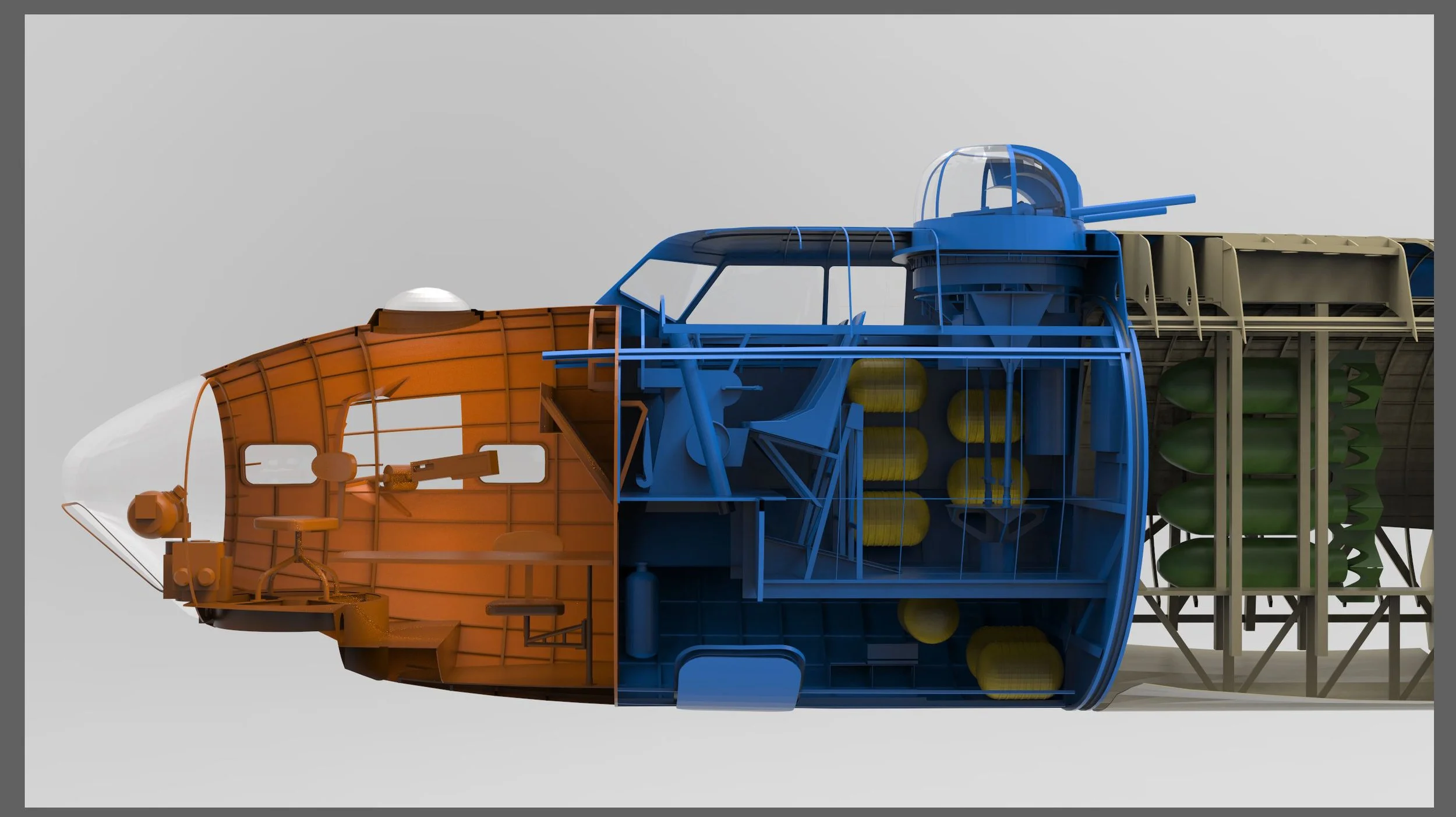
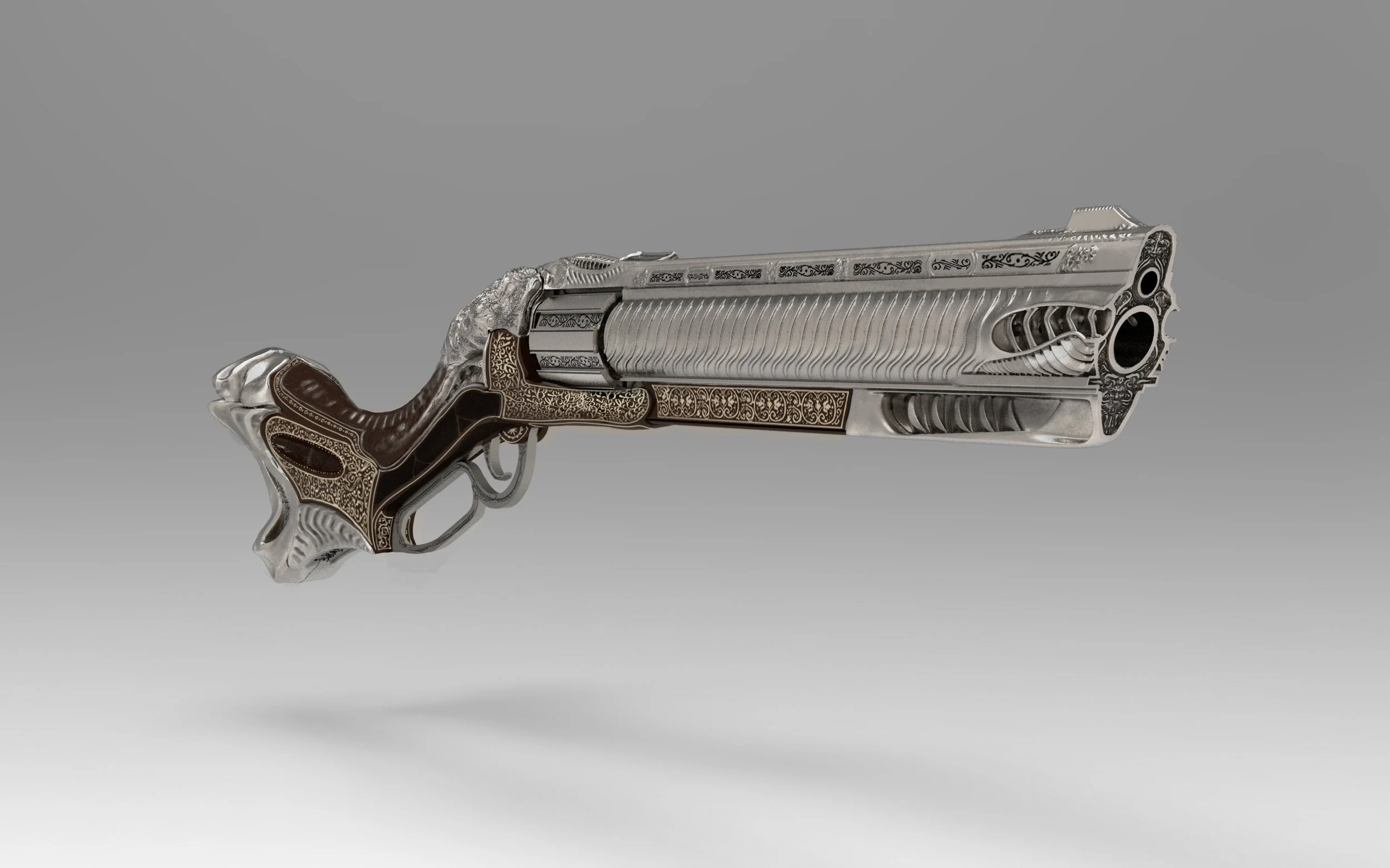
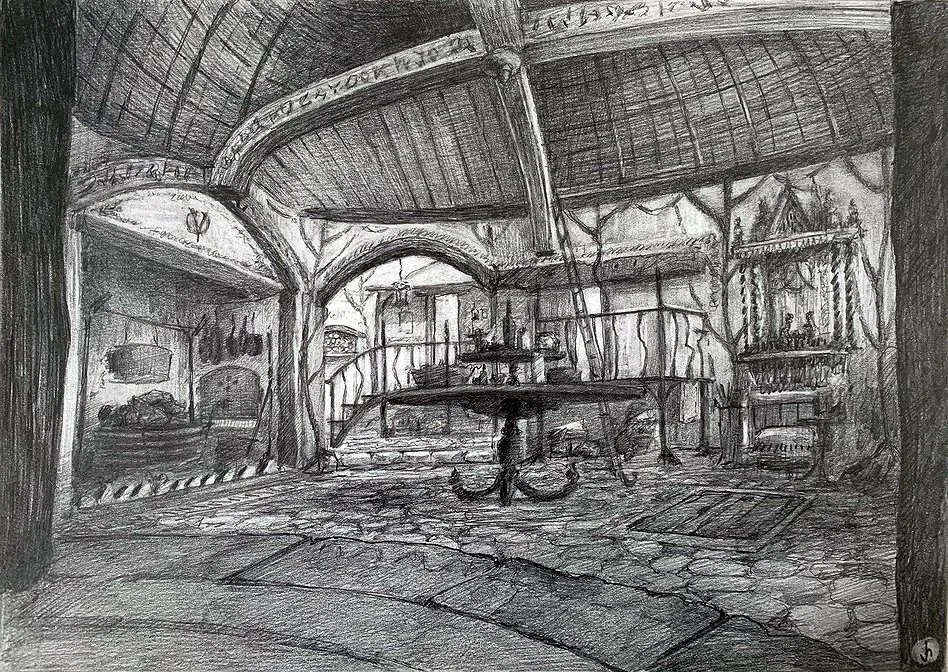
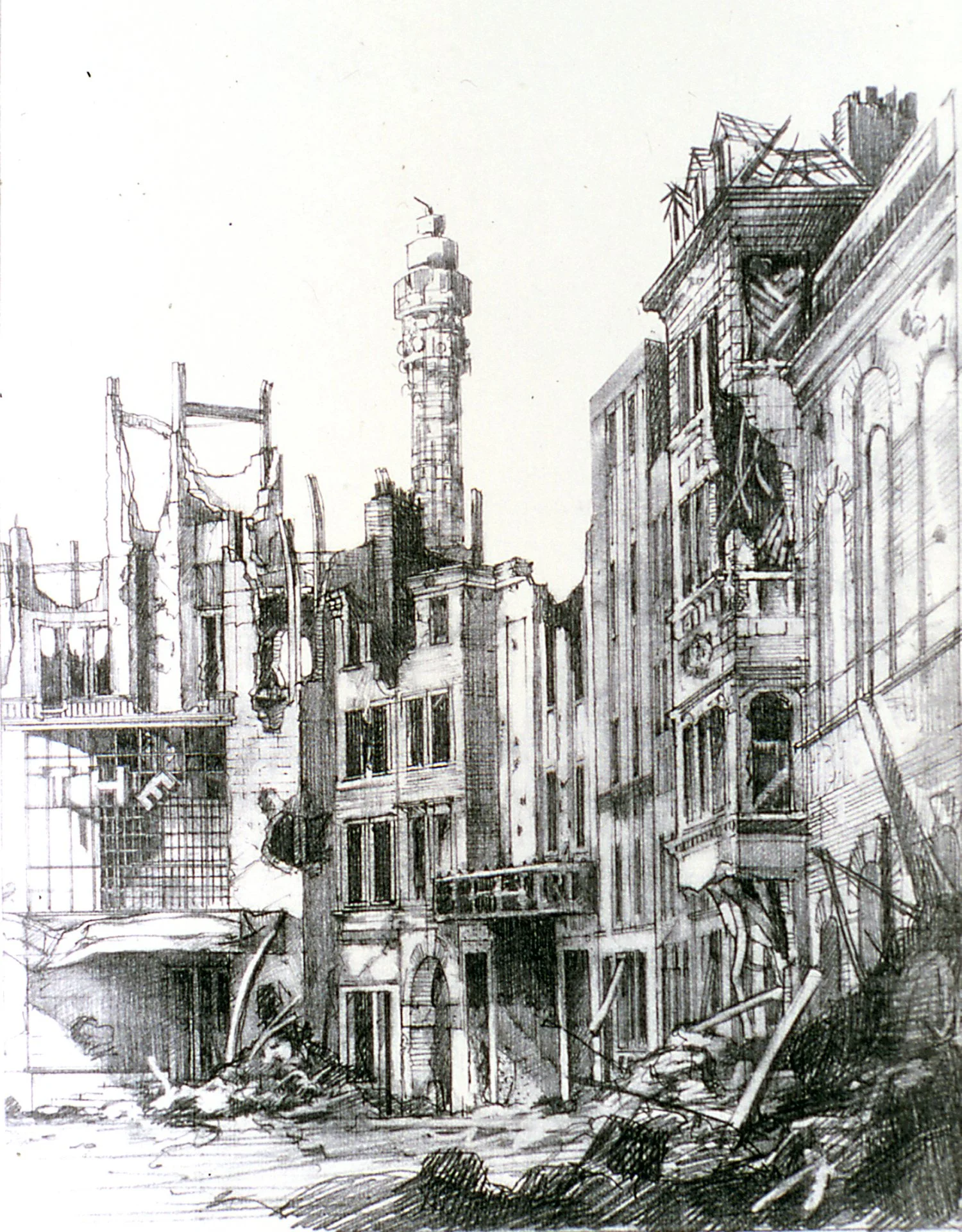
The drawings below come from across my practice ~ some made in the development of films, others as independent works or explorations. They vary in scale, speed and intention, but all begin in the same place: with a line, and the possibility of where it might lead.